Why the Cold Always Feels Colder When You’re in a Hurry
Explore why rushing in cold weather makes the cold feel more intense with insights into physiology, psychology, and environmental factors.
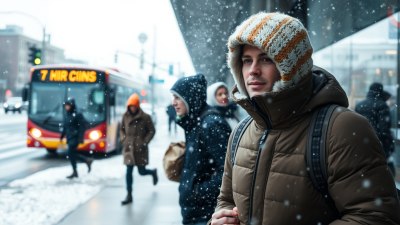
Most people have experienced the sensation that cold weather feels harsher and more biting when they are in a hurry. Whether rushing to catch a bus, dashing between buildings, or hurrying down a chilly sidewalk, the cold often seems to become more intense and penetrating during these moments of urgency. This curious phenomenon involves a fascinating combination of physiological, psychological, and environmental factors that interact to alter our perception of temperature and discomfort. Understanding why cold weather feels colder when you’re in a hurry sheds light not only on human biology but also on how our minds and bodies respond to stress and motion.
Physiological Responses to Cold and Stress
The human body has evolved several mechanisms to protect itself from cold environments, primarily by maintaining core temperature within a narrow, safe range. When exposed to cold, peripheral blood vessels constrict in a process called vasoconstriction to reduce heat loss through the skin. This physiological response helps preserve warmth but can also make the skin feel colder and less sensitive to touch. Interestingly, when we rush, additional physiological processes can intensify our perception of cold.
Rushing or hurrying often involves a state of acute stress or mild physical exertion. Both stress and exertion activate the sympathetic nervous system, which triggers the 'fight or flight' response. One effect is increased heart rate and redirecting blood flow from the skin to the muscles. This means less blood — and therefore less warmth — is available near the skin surface, which can result in a colder sensation on the skin.
Moreover, the activation of stress hormones like adrenaline causes more pronounced vasoconstriction. This tightening of blood vessels increases the feeling of coldness by reducing the skin’s warmth even further. Consequently, when you’re in a hurry, your body’s autonomic responses amplify the cold sensation.
Increased Wind Chill Effect From Movement
Another important factor contributing to the intensified cold sensation when hurrying is the wind chill effect amplified by your own movement. Wind chill reflects the impact of air movement on heat loss from the body, making the ambient temperature feel colder than it actually is. When you walk slowly or stand still, the body's heat loss to the environment is moderated by the surrounding air conditions. However, moving quickly through the air increases the relative wind speed against your skin, accelerating heat loss.
For instance, if the outdoor temperature is 30°F with a gentle breeze, standing still exposes you to a certain level of heat loss. But if you start running or moving briskly at 10 miles per hour, the effective wind speed increases, enhancing the convective heat loss from your body. This phenomenon can make 30°F air feel much colder, akin to a much lower temperature on the wind chill scale.
Therefore, hurrying outdoors introduces additional cold stress through amplified air movement and heat loss, contributing to the sensation that the cold is more severe.
Reduced Focus on Warmth and Heightened Sensory Awareness
Our perception of temperature is not purely physiological; psychological and cognitive factors play a significant role. When in a hurry, attention tends to narrow toward the urgent task at hand, such as reaching a destination quickly or overcoming a deadline. This heightened focus on completing goals can inadvertently increase sensitivity to discomfort, including cold sensations.
Multiple studies in cognitive psychology suggest that stress and urgency sharpen sensory vigilance. When under pressure, the brain prioritizes threat detection and discomfort signals, making unpleasant stimuli like cold, friction against clothing, or numb fingers more noticeable. This heightened awareness can amplify the subjective experience of cold.
Furthermore, when rushing, individuals often forego traditional methods of insulating themselves fully — like buttoning coats or putting on gloves properly — contributing to feeling colder. Cognitive distraction might cause them to neglect comforting behaviors, thus worsening cold perceptions.
Impact of Clothing and Behavioral Factors
How we dress and prepare for cold conditions significantly influences our thermal comfort. People in a hurry often do not take the time to properly secure their cold weather gear. For example, they might leave jackets unzipped, gloves off, or hats unfastened, which facilitates greater heat loss through conduction and convection.
Additionally, hurried movements can disrupt clothing layers. For instance, briskly moving arms or legs might cause jackets or scarves to shift, exposing skin or loosening insulation layers. The disruption exposes more surface area to cold air and wind, reinforcing the cold sensation.
Behavioral factors also include insufficient warm-up before going outside. When moving slowly, the body can gradually acclimate to colder air, triggering metabolic thermogenesis to generate warmth. Sudden exposure combined with rapid movement in hurry limits this adaptability, causing an abrupt and uncomfortable cold feeling.
Physiological Feedback Loop and Pain Sensitivity
The interaction between cold exposure and stress when in a hurry can create a physiological feedback loop that enhances cold perception. Cold stimuli activate cold-sensitive receptors in the skin called thermoreceptors. Under normal conditions, the brain integrates signals from thermoreceptors with other sensory input to maintain thermal homeostasis.
However, stress-related hormones modulate nerve sensitivity and pain perception. When in a hurry, stress hormones may amplify the response of cold receptors, making mild cold feel more intense or even painful. This enhanced receptor sensitivity causes the body to perceive the environment as colder than it objectively is.
The feedback loop is compounded when shivering or muscle tension, common in cold stress and stress response, further increase discomfort and muscle fatigue, discouraging slow, warm movement and perpetuating the sensation of cold.
Environmental Contexts That Exacerbate Cold When Hurried
Certain environmental conditions significantly influence how cold feels when moving quickly. For example, urban environments with exposed concrete, glass, or metal surfaces tend to radiate less warmth and may have localized wind tunnels that enhance wind chill. When rushing through these environments, the increased wind speed and cold surfaces can intensify cold sensations dramatically.
Conversely, natural environments such as wooded or sheltered areas tend to buffer wind and provide relatively warmer microclimates. Hurrying in these environments may still increase perceived cold, but the effect can be less drastic.
Also, humidity affects heat loss through evaporation. In cold, dry air, moisture evaporates quickly, resulting in greater radiant heat loss. When moving rapidly, perspiration or moisture on the skin evaporates faster, increasing the chilling effect. This is particularly evident during winter sports or outdoor activities performed in a hurry.
Adaptation and Coping Strategies
Understanding why cold feels colder when in a hurry can help individuals adopt strategies to reduce discomfort and improve safety. Planning ahead to dress appropriately, including layering clothing and ensuring accessories like gloves and hats are secure, is critical. Tightened layers can minimize heat loss even during rapid movement.
Slow, deliberate breathing and maintaining moderate pace when possible helps the autonomic nervous system regulate vasoconstriction more effectively, reducing sudden chills. Incorporating small warm-up movements before going outside can raise core temperature gradually, buffering cold impacts.
Psychologically, managing stress and remaining calm in urgent situations can decrease sympathetic nervous system activation, modulating bodily responses that amplify cold sensation. Techniques such as mindfulness or preparatory mental rehearsal may help reduce time pressure stress.
When quick movement is unavoidable, reducing exposure duration, taking shelter periodically, or seeking wind-protected routes can mitigate amplified wind chill effects.
Scientific Studies and Experimental Evidence
Research into thermoregulation and stress responses supports the notion that urgency and speed influence cold perception. For instance, studies examining peripheral blood flow during stressful tasks reveal increased vasoconstriction, consistent with enhanced cold sensation in hurried states.
Wind tunnel experiments demonstrate clear quantitative increases in convective heat loss proportional to movement speed, validating the wind chill amplification hypothesis. Cognitive research confirms that stress heightens sensory awareness, making environmental discomfort more vivid.
Further experiments measuring skin temperature and subject-reported cold sensation during exercise show that abrupt physical exertion combined with stress causes a spike in cold discomfort scores relative to calm movement.
Implications for Outdoor Work and Safety
For people whose jobs require them to work outdoors in cold conditions, such as delivery workers, emergency responders, or construction workers, understanding the relationship between haste and cold sensation is crucial for health and performance. Rapid movement or urgency might increase risk of cold-related injuries like frostbite or hypothermia by impairing body warmth regulation.
Employers should consider measures such as providing proper cold weather clothing, scheduled warm-up breaks, and training workers to manage stressful situations efficiently without rushing unnecessarily. Awareness of how haste affects cold perception can contribute to safer and more comfortable working environments.
Relation to Evolutionary Biology
From an evolutionary perspective, the body’s amplified cold sensitivity during hurried states may have adaptive value. When a person is rushing, it often indicates urgency or potential danger. Heightened perception of discomfort or environmental hazards could prompt more cautious or rapid behavior to seek shelter.
In colder climates, recognizing and responding urgently to cold discomfort might have ensured survival by motivating individuals to find warmth quickly. Thus, the biological mechanisms linking stress, vasoconstriction, and sensory amplification could reflect an evolved survival strategy.
This interplay highlights the complexity of human thermoregulation as intertwined with behavioral and psychological factors shaped by evolutionary pressures.
Conclusion: The Complex Interaction of Bodies, Minds, and Environment
The experience that cold weather feels colder when you’re in a hurry is not a simple coincidence but the outcome of multiple interacting systems. Physiological stress responses increase vasoconstriction and reduce blood flow to skin, movement enhances wind chill through convective heat loss, and cognitive stress increases sensitivity to discomfort. Behavioral factors such as hurried dressing and disrupted clothing layers worsen heat loss, while certain environmental conditions exacerbate the cold further.
Awareness of these factors allows people to better manage their responses to cold in urgent situations. Proper preparation, stress management, and pacing can mitigate the amplified cold sensation that accompanies rushing. This understanding also informs occupational safety protocols and sheds light on the deep connections between human physiology, psychology, and environment.
In the end, cold is not just a physical state measured in degrees but a multi-layered perception shaped by how we move, feel, and react. The next time cold bites sharply as you hurry, it might be your body’s intricate survival system reminding you to proceed thoughtfully – even when you don’t have time.