Why Spring Is Just Winter Playing Mind Games
Explore the subtle ways spring mimics winter, blending shifts in weather, nature, and mood in an elaborate seasonal mind game.
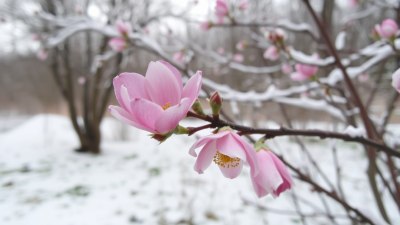
As the calendar flips from winter to spring, many anticipate a dramatic transformation - the end of cold, gray days and the beginning of warmth and bloom. Yet, spring often plays tricks on the senses, teasing with whispers of winter's remnants before unveiling its true nature. This dance, where spring is just winter playing mind games, showcases nature's subtle blend of change and continuity, challenging our perceptions and expectations.
At first glance, spring promises renewal. Budding trees, longer days, and the scent of rain against warming earth signal a departure from winter's dormancy. However, this transformation is rarely immediate or absolute. Instead, spring embodies a duality, oscillating between bursts of warmth and echoes of chill, creating an atmospheric tension that blurs seasonal boundaries.
The Lingering Chill: Winter’s Last Hold
One of the most conspicuous mind games spring plays involves temperature fluctuations. Early spring days may begin with sunshine and mild breezes yet end in unexpected frosts or snowfalls. This unpredictability stems from the Earth’s orbit and axial tilt, which gradually increase solar energy at temperate latitudes but not uniformly or instantly. Cold air masses originating from polar regions can still sweep downward, reasserting winter’s presence in pockets of warmth.
These frosty interludes can mislead the senses; buds may swell on trees only to be scorched by a sudden freeze, delaying blooms and breeding cautious optimism. Gardeners and farmers are acutely aware of this seasonal trickery, often holding off planting or protecting young shoots until the risk of frost passes entirely. In this way, spring extends winter’s influence, maintaining a presence that seems almost calculated to confound.
Nature’s Hesitation: The Flora’s Temporal Tug-of-War
Spring’s ambivalence is not limited to temperature but extends deeply into biological rhythms. Plants, attuned to photoperiods and temperature cues, enter a state of hesitation, ready to burst forth yet restrained by the lingering cold. This uncertainty is visible in the staggered blooming of various species. Early bloomers like crocuses and snowdrops often push through late snow, embodying resilience and signaling hope. In contrast, other plants wait for more consistent warmth.
This staggered awakening is more than an aesthetic quirk; it is an evolutionary strategy. By spreading out their blooming periods, plants avoid total loss from unexpected late frosts or erratic weather. The season thus becomes a stretched narrative, where spring’s arrival is a process rather than an event, confounding those who seek instant change and emphasizing nature’s patience.
Animal Behavior: The Conflicted Call to Action
Animals also reflect the mind games of spring through their behaviors. Many species begin emerging from hibernation or migrating back from winter habitats as daylight increases. However, fluctuating temperatures and food availability cause hesitation. For instance, early-emerging insects or amphibians may face fatal cold snaps, while migratory birds must time their arrivals carefully to coincide with food abundance and nesting conditions.
Such timing conflicts illustrate spring’s complex signals. The gradual increase of daylight suggests safety and growth, but the unpredictable climate warns prudence. Species that balance these cues best tend to thrive, making evolutionary adaptations that favor cautious emergence or flexible behaviors. This dance underscores the blurred lines between winter’s hold and spring’s promise.
Psychological Impacts: Seasonal Mind Games on Human Mood
Humans, too, are participants in this seasonal mind game. The transition from winter to spring can either uplift or unsettle. Increased sunlight typically boosts serotonin levels and mood, yet lingering cold or unstable weather can induce frustration or confusion. This emotional seesaw reflects the same tensions observed in nature.
Seasonal affective disorder (SAD), commonly associated with winter, sometimes extends into early spring. The mismatch between environmental cues and body’s expectations causes mood swings. Anticipation of warmth paired with disappointing cold snaps can generate a sense of restlessness or impatience. Understanding spring as a continuum with winter rather than a clean break helps frame these psychological responses.
The Role of Cultural Perception in Seasonal Transition
Culturally, spring is often celebrated as a time of rebirth and fresh starts. Festivities, holidays, and rituals mark this hopeful phase, emphasizing growth and light. Yet folklore and traditions also recount the unpredictability of seasonal shifts, including tales of stubborn cold or late snows. These narratives reflect collective recognition of spring’s ambivalent nature.
Such cultural frameworks influence our expectations and reactions. When spring plays its mind games—delivering warmth one day and chill the next—the contrast can seem more pronounced against the backdrop of hopeful anticipation. The societal pressure to embrace renewal amid inconsistent conditions creates a shared experience of navigating uncertainty, blending practicality and optimism.
Weather Patterns: The Scientific Basis of Seasonal Interplay
From a meteorological perspective, spring’s dual character arises from complex atmospheric interactions. Jet streams, ocean currents, and continental climate zones all contribute to the erratic weather typical of early spring. For example, the clash of retreating cold polar air with advancing warm tropical air masses leads to volatile weather, including thunderstorms, late frosts, and rapid temperature changes.
Climate change has further complicated these patterns, increasing variability and extremes. As winters shorten and springs warm earlier on average, the incidence of “false springs” rises—periods where spring-like conditions are followed by a return to winter’s frost. These phenomena illustrate spring’s role as a transitional battleground, where winter’s influence wanes but doesn’t relinquish control immediately.
Ecological Consequences of Spring’s Deceptive Nature
Spring’s mind games have significant ecological implications. Plants and animals rely on precise timing for reproduction, migration, and feeding. Misalignments caused by fluctuating spring conditions can disrupt food chains and ecosystems. For example, if insects hatch too early due to warm spells but then perish during a sudden freeze, birds that feed on them may struggle to find nourishment.
Such disruptions can cascade, affecting biodiversity and ecosystem health. However, some species have adapted to this uncertainty with flexible life cycles or broader dietary habits. The resilience of ecosystems depends on their capacity to absorb and adapt to these seasonal fluctuations, making spring’s trickery a natural test of ecological balance.
Spring as a Metaphor: Life’s Challenges and Transitions
Beyond its physical and biological manifestations, the idea of spring as winter’s mind game resonates metaphorically with human experience. Life transitions often come with uncertainty, setbacks, and mixed signals. Just as spring fluctuates between cold and warmth, moments of growth can be challenged by obstacles and ambiguity.
This metaphor underscores patience and perseverance. Recognizing that progress is not always linear helps individuals navigate personal change with resilience. Spring’s interplay with winter serves as a natural reminder that beginnings are often complicated, requiring time and endurance before full blossoming.
Technological and Artistic Inspirations from Seasonal Ambiguity
The complex nature of spring and winter’s interaction has inspired advances in agriculture, meteorology, and art. Farmers develop cold-resistant crops and use forecasting tools to mitigate risks posed by late frosts. Artists depict the interplay of light and shadow, blooming and barrenness, capturing the season’s ephemeral beauty and tension.
Literature and music often explore themes of contradiction intrinsic to spring’s character—the hope and hesitation, the return of life amidst lingering death. These creative expressions deepen our appreciation of seasonal nuances, inviting reflection on the broader cycles of nature and existence.
The Role of Human Adaptation and Anticipation
Humans respond to spring’s mind games through adaptation and preparation. Clothing choices, housing insulation, and activity planning reflect awareness of temperature swings. Societies develop calendars and rituals to align with seasonal rhythms, acknowledging the uncertainty inherent in transitional periods.
This adaptive behavior also extends to caution in agriculture and outdoor work, where recognizing spring’s dual personality prevents damage and promotes growth. The constant balancing act between winter’s retreat and spring’s advance exemplifies human ingenuity and sensitivity to nature’s signals.
Global Variations: Spring’s Personality Across Climates
Spring’s character varies significantly worldwide, influenced by geography and climate. In temperate zones, the season is marked by fluctuation and gradual warming. In tropical regions, the concept of spring is less defined, often replaced by wet and dry seasons with different ecological cues.
Polar regions experience brief springs where conditions shift rapidly, while Mediterranean climates may have mild springs with less pronounced cold spells. These variations highlight that spring’s mind games are context-dependent, shaped by local environmental factors and reinforcing the diversity of Earth’s seasonal tapestries.
Observing Spring: Mindfulness and Seasonal Awareness
Engaging with spring’s subtle shifts encourages mindfulness and a deeper connection with nature. Observing the tentative unfolding of buds, the tentative songs of returning birds, and the dance between sun and cold fosters appreciation for process over outcome.
This attentive engagement transforms spring from a simple seasonal marker into a lived experience of transition and balance. Embracing spring as winter’s mind game invites patience and wonder, enriching our understanding of time and change.
Educational Perspectives: Teaching About Seasonal Transitions
Educators use spring’s deceptive nature as a teaching tool to explain biological rhythms, climate variability, and ecological interdependence. By illustrating the complexities behind simple seasonal changes, learners develop critical thinking and environmental literacy.
Hands-on activities like planting seeds, tracking weather patterns, or observing animal behaviors provide concrete examples of how nature negotiates transition. This educational approach demystifies spring’s mind games and fosters stewardship and curiosity about the natural world.
Spring Festivals and the Celebration of Growth Despite Uncertainty
Despite its unpredictability, spring remains a time of celebration across cultures. Festivals honoring fertility, light, and renewal acknowledge both the hope spring brings and the challenges inherent in emerging from winter. These celebrations symbolize human resilience and optimism, embracing uncertainty as part of growth.
Rites of passage and communal gatherings strengthen social bonds during this season, reflecting collective faith in cycles of life and the eventual triumph of warmth over cold. In this sense, spring’s mind games are not setbacks but integral elements of a larger journey.
Practical Tips for Navigating Spring’s Ambiguity
To successfully navigate spring’s fluctuating conditions, individuals can adopt strategies such as layering clothing, planning flexible schedules, and protecting sensitive plants. Monitoring weather forecasts and being prepared for sudden changes mitigates frustration.
Engaging in outdoor activities with awareness of seasonal variability enhances safety and enjoyment. These practical measures complement an attitudinal shift toward acceptance of ambiguity, turning spring’s mind games from obstacles into opportunities for adaptation.
Ultimately, recognizing spring as winter playing mind games enriches our relationship with the environment. It teaches respect for nature’s complexity, patience for its timing, and appreciation for the intricate dance of seasons that shapes life on Earth.