Why Snow Refuses to Fall Evenly
Explore the scientific reasons why snow does not fall evenly, shaped by atmospheric conditions, terrain, and snowflake behavior.
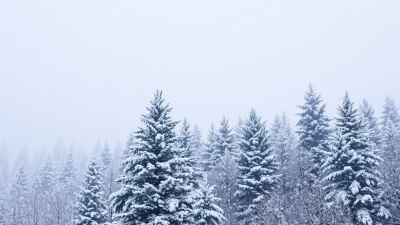
Snowfall is a captivating natural phenomenon, often admired for the quiet beauty it paints across landscapes. While many expect snow to blanket areas in a uniform layer, the reality is quite different. Snow rarely falls evenly, creating patterns and accumulations that intrigue meteorologists and outdoor enthusiasts alike. Understanding why snow refuses to fall evenly involves exploring a blend of atmospheric science, physical geography, and the unique characteristics of snowflakes.
Atmospheric Dynamics and Snowfall Patterns
The behavior of falling snow starts high in the atmosphere, where temperature, humidity, wind, and pressure interact in complex ways. When water vapor condenses into ice crystals within clouds, snowflake formation begins. These snowflakes are then carried downward through fluctuating air currents, which influence their trajectory and speed. Variations in wind patterns, both at different altitudes and near the ground, cause snow to drift and settle unevenly.
Wind gusts can transport snow laterally, leading to uneven deposition on the ground. This effect is most noticeable during and after storms, where areas exposed to the wind end up with thinner snow layers, while sheltered regions accumulate deeper drifts. Turbulence near buildings, trees, and terrain features further disturbs the snow’s fall, contributing to a patchy distribution rather than a smooth, uniform cover.
The Role of Temperature Fluctuations
Temperature variations in the atmosphere influence the size and shape of snowflakes, which in turn impacts how snow settles. At temperatures just below freezing, snowflakes are typically larger and stickier, promoting clumping and heavier accumulations when they land. Conversely, colder temperatures tend to produce smaller, more powdery flakes that disperse more easily.
Temperature changes also affect how snow interacts with the ground. A warmer surface can cause partial melting upon contact, altering the initial accumulation and forming ice patches or crusts. In contrast, a very cold ground allows snow to settle without melting, but even then, the unevenness of the terrain plays a bigger role in distribution.
Snowflake Formation and Variation
Snowflakes are highly sensitive to the atmospheric environment during their development, resulting in a wide variety of shapes and sizes. Intricate hexagonal crystals, dendrites, columns, and plates are formed depending on temperature and humidity conditions within clouds. This variability affects how snow aggregates on accumulation.
Larger snowflakes, formed under near-freezing conditions, tend to clump together midair, falling more quickly and landing in concentrated clusters. Smaller, lighter snowflakes drift gently and can be influenced more by wind, causing them to spread out. This diversity means that even in a localized area, snow can fall unevenly as the different types accumulate at different rates.
Topography and Surface Influence
The physical landscape significantly affects snow distribution. Slopes, valleys, ridges, and varying elevations all contribute to how snow is deposited. On a hillside, snow tends to slide down or melt unevenly, creating patches and drifts. Valleys may collect more snow as cold air settles and allows greater accumulation. Conversely, windward sides of hills or mountains might receive less snow because of wind erosion, while leeward sides accumulate deeper drifts.
Vegetation also plays a role. Trees and shrubs can intercept snowflakes, causing snow to stick on branches or fall unevenly beneath them. In forested areas, the canopy reduces snowfall on the ground, leading to patchy snow cover. In open fields, the absence of barriers causes snow to drift more freely, often leading to dramatic unevenness due to wind effects.
The Impact of Wind on Snow Deposition
Wind is one of the primary forces causing uneven snow distribution. As snowflakes fall, especially powdery, light ones, they are moved horizontally by wind currents. This lateral movement often results in snowdrifts forming against natural and artificial barriers like fences, walls, or tree lines.
During strong winds, snow can be picked up from one area and deposited many meters away. This process, called snow redistribution, can create deep drifts in some places and bare or sparsely covered areas in others. The pattern of these drifts is highly dependent on the direction and speed of the wind, which can change rapidly during a snow event.
The Role of Humidity and Moisture Content
Humidity within the air affects the stickiness and density of snow. High relative humidity promotes the growth of larger snowflakes that bind together, leading to wet, heavy snowfalls. This type of snow adheres well upon landing, producing more consistent coverage but heavier accumulations. Conversely, dry air produces lighter, powdery snow that tends to be blown around more easily by the wind, creating patchiness.
Moisture content in snow also influences melting and refreezing cycles on the ground. Wet snow will freeze into ice if temperatures drop afterward, while dry snow remains loose and fluffy. This can affect how the snow cover looks over time, with ice forming unevenly across a landscape and enhancing the perception of irregular snowfall.
Microclimates and Local Weather Effects
Small-scale variations in weather conditions can lead to localized differences in snowfall. Urban heat islands, for example, can cause reduced snow accumulation in cities compared to surrounding rural areas. Buildings, pavement, and human activities create warmer conditions that reduce snow retention and cause irregular patterns.
Similarly, the presence of water bodies can affect snowfall. Lakes and rivers can moderate local temperatures and humidity, influencing how snow falls nearby. Lake-effect snow, common around the Great Lakes in North America, is a vivid example where snow accumulates heavily on one side of a water body but scarcely on the other, forming sharp boundaries in snow distribution.
Snowfall Intensity and Duration Variations
The intensity of a snowfall event also plays a role. Light, intermittent snowfalls are more likely to deposit uneven layers since the snow is easily disturbed by wind and temperature changes between events. Heavy, continuous snowfalls, by contrast, tend to create more uniform blankets of snow as new snow covers previous uneven patches.
Duration matters because the longer it snows, the more opportunity there is for snow to accumulate evenly across an area, smoothing out minor irregularities caused by wind or terrain. In shorter events, these inconsistencies remain more visible.
Human Influence and Snow Management
Human activities can affect how snow accumulates and is perceived. Snow plowing, clearing, and spreading salt or chemicals alter snow distribution on roads and sidewalks, usually to make surfaces safer but also creating deliberate unevenness. Structures such as buildings and bridges impact wind flow and create sheltered zones where snow gathers differently.
Landscaping choices also play a role; artificial windbreaks, trees, and snow fences are often used to control drifting and reduce uneven accumulation in critical areas like airports or highway shoulders.
The Science Behind Uneven Snow Coverage Explored by Research
Meteorologists use tools such as radar, satellite imagery, and ground sensors to study snowfall patterns. This research reveals complexity in snow deposition influenced by multiple, interacting variables. Numerical models help simulate snowfall under diverse conditions, enhancing predictions for weather forecasts and winter management strategies.
Understanding uneven snow distribution is essential for sectors including agriculture, transportation, and construction. It informs avalanche risk assessments, winter activity planning, and infrastructure design to withstand snow loads that are never perfectly uniform.
Examples of Uneven Snowfall in Different Climates
In mountainous regions, the interplay of altitude, wind, and temperature creates highly variable snow depths. Ski resorts often see dramatic differences in coverage between slopes depending on exposure and prevailing winds. In flat, open plains, snowdrifts formed by strong winter winds can reach significant heights in some areas while leaving others nearly bare.
Arctic regions experience similar uneven snow deposition influenced by blizzards and ice formations. In contrast, more temperate zones might see patchy snowfall with melting occurring rapidly due to fluctuating temperatures throughout the day.
How Snowfall Patterns Affect Ecosystems
Uneven snow accumulation impacts wildlife and vegetation. Certain animals depend on consistent snow cover for insulation or camouflage, while plants rely on snow as an insulating blanket protecting roots from harsh winter temperatures. Patchy snow conditions can create microhabitats, affecting survival and reproductive success for various species.
Wet and dry snow zones influence soil moisture levels differently come spring melt, affecting plant growth cycles and the availability of resources for herbivores and predators.
Conclusion: The Complexity Behind Snow's Irregular Descent
Snow's refusal to fall evenly is a natural consequence of the dynamic interplay among atmospheric forces, terrain features, snowflake characteristics, and local environmental conditions. What might appear as a simple event—a gentle snowfall—actually represents a sophisticated, multifaceted process.
Every snowfall is unique, with its pattern shaped moment-to-moment by shifting winds, temperature gradients, and moisture levels. This complexity not only makes winter landscapes visually interesting but also presents challenges and opportunities for human activities and ecological systems.
Recognizing the reasons behind uneven snowfall enhances appreciation for this seasonal phenomenon and aids in preparation for winter conditions. From forecasting to outdoor recreation and habitat conservation, understanding snowfall distribution remains a key part of adapting to and thriving in cold weather environments.