Why Snow Only Falls After You’ve Said “It Probably Won't Stick”
Explore the curious phenomenon of snow falling right after you say ‘It probably won’t stick’ and the science behind it.
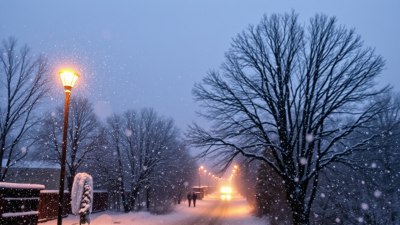
Snow is one of the most magical and unpredictable weather phenomena. For many, it feels like snow has a curious sense of humor, especially when it begins to fall immediately after someone declares, “It probably won’t stick.” This observation is not just a coincidence or a lighthearted joke; there are scientific and cognitive reasons explaining why this seems to happen so often.
People everywhere have shared stories of how they underestimated the potential for snow accumulation, only for it to quickly start sticking to roads, sidewalks, and rooftops moments after they dismissed the idea. This curious timing isn't just about the weather itself but also about human psychology, our observational biases, and the nature of meteorological predictions. Let’s delve into the reasons why snow seems to fall right after you say it won’t stick.
Understanding Snow Formation and Accumulation
First, it’s important to understand what is involved in snow formation and accumulation. Snow starts as water vapor high in the atmosphere, which freezes into ice crystals around tiny particles like dust or pollen. These crystals accumulate and grow, eventually becoming heavy enough to fall to the ground as snowflakes.
Whether snow sticks depends on several factors: ground temperature, air temperature, humidity, wind, and precipitation intensity. Just because snow falls does not mean it will stick. Snowfall can occur when the ground surface is still warm enough to melt the snow on contact, leaving no accumulation.
Meteorologists use temperature readings and other data to predict the likelihood of snow sticking. When the air temperature is just above freezing, snow may fall but fail to accumulate. Conversely, snow falling when temperatures are just below freezing can cause immediate accumulation. This delicate balance means snowfall sticking could change within minutes.
The Role of Temperature and Surface Conditions
One of the biggest factors influencing whether snow will stick is the temperature of the surfaces on the ground. Pavements, roads, and roofs absorb heat throughout the day, especially if the sun was shining. So even when the air temperature drops below freezing in the evening or night, these surfaces may remain slightly warm.
When snow first begins to fall, it may melt on contact with these relatively warm surfaces, making it look like it won’t stick despite a snowy sky. However, as precipitation continues, the surfaces cool down, reaching or going below the freezing point. At this stage, snow begins to accumulate and stick.
This means the moment snow starts sticking often lags behind the initial snowfall. If you mentioned “It probably won’t stick” early in the snowfall, then seeing snow start to stick moments later is a natural progression of surface cooling. Your prediction was based on visual cues from the initial snow, but environmental factors were still shifting.
Confirmation Bias and Human Perception
Aside from weather conditions, psychological phenomena such as confirmation bias and selective perception can play a role in why it seems snow starts sticking only after you say it won’t. Confirmation bias is when people tend to focus on information that supports their existing beliefs or expectations while ignoring evidence that contradicts them.
When someone says, “It probably won’t stick,” they implicitly expect that to be true, focusing on the initial snowfall failing to accumulate. As a result, they remember those moments when snow fell but didn’t stick. When snow finally does stick, especially immediately after their statement, it stands out more vividly in memory. This memorable coincidence reinforces the impression that snow only starts sticking after the phrase is uttered, even though snow behaves according to scientific principles.
Similarly, selective perception makes people notice and remember events fitting a pattern while overlooking when snow sticks without any such statement being made. This psychological tendency creates a feedback loop where the phenomenon appears more common than it objectively is.
Folk Wisdom and Cultural Reflections
Weather-related sayings and superstitions are common across cultures. They often arise from observations tied to human experiences and attempts to make sense of unpredictable weather. The idea that snow falls right after saying “It probably won’t stick” fits within a broader tradition of humorous weather quips and folk wisdom meant to acknowledge our limited control over nature.
Such sayings help create social bonds by sharing relatable experiences and lightening the mood around inconvenient or sudden weather changes. While not scientifically accurate, these cultural reflections capture the emotional truths about how we feel about weather surprises and the comfort of familiar expressions.
Scientific Insights From Meteorology
Meteorologists analyze a wide variety of data to forecast snow accumulation. Satellite imagery, ground temperature sensors, humidity levels, wind speeds, and atmospheric pressure all contribute to predictions.
Interestingly, the complexity of weather systems means even experts sometimes express uncertainty, leading to forecasts such as “Snow likely, but it probably won’t stick.” This hedging reflects the challenge in predicting exact snow accumulation in marginal temperature conditions where small changes can make a difference.
Snowfall intensity can ramp up quickly during winter storms. A light drizzle of snow that doesn’t stick initially may be followed by heavier precipitation, causing fast accumulation. This shift supports the impression that it’s “too late” to be right when snow starts sticking soon after such a forecast.
Examples of Weather Conditions Matching the Phenomenon
Several examples highlight how conditions often align with the pattern described. For instance, if snow begins falling during the late afternoon when surfaces are still warm from daylight heating, you might think accumulation won’t occur. But as temperatures drop in the evening, continued snowfall begins accumulating rapidly.
Another example is during cold snaps preceded by milder weather. Even if snow starts falling, the ground might not be cold enough to keep it from melting at first. Continued snowfall and dropping temperatures flip the situation. Suddenly, all the snow sticks, making prior statements doubtful.
In urban areas with heat-absorbing materials, the effect can be more pronounced. Pavements, roads, and buildings release stored heat after sunset, briefly preventing snow from sticking initially. Then, as heat dissipates, snow accumulates, causing a quick reversal in appearance.
How to Approach Snow Predictions Realistically
Understanding the variables at play can help people approach snowfall predictions with more nuance. Instead of relying on absolute statements, it’s better to consider ranges of possibilities, especially when temperatures hover around freezing.
Look at the recent trend in temperature changes, precipitation intensity, and ground conditions. If snow has just started falling and it’s close to freezing, accumulation might be delayed but not impossible. Patience and observation over time give a clearer picture.
Using detailed weather reports and radar data helps anticipate when heavier snowfall may cause sticking. Recognizing the natural lag between snowfall onset and accumulation can reduce surprise and increase preparedness.
The Intersection of Weather and Everyday Experience
Weather phenomena like snow are not only scientific events but also part of our everyday psychological landscape. They impact moods, plans, and social interactions, making them ripe for memorable anecdotes.
When snow sticks just after saying it wouldn’t, it becomes a humorous reminder of nature’s unpredictability and our tendency for hopeful or cautious prognostication. This interplay between human nature and atmospheric conditions provides ongoing fascination and relatable stories.
The next time you find yourself saying, “It probably won’t stick,” remember that you’re part of a tradition connecting human perception, weather science, and cultural storytelling.
Technological Advances in Snowfall Prediction
Modern technology is improving the ability to predict when snow will start sticking. High-resolution weather models and advanced ground sensors provide more detailed temperature profiles of surfaces. Doppler radar can identify changes in precipitation intensity quickly, allowing more precise forecasts.
Machine learning algorithms analyze historical weather data alongside real-time inputs to predict snow accumulation timing more accurately than ever before. This cutting-edge science aims to reduce the ambiguity that leads to situations where snow starts sticking just after dismissive comments.
Still, the inherent chaotic nature of weather systems means a perfect prediction will always be challenging, maintaining the element of surprise and those classic moments of snow clinging right after a doubtful assessment.
Social Media and the Spread of Snowfall Anecdotes
With the rise of social media, stories about snow sticking soon after it was said it wouldn’t have multiplied. Memes, videos, and tweets depict slipping on a suddenly icy street or watching snow rapidly accumulate after claiming it wouldn’t.
This shared humor helps people relate across different regions and climates, giving these moments cultural currency. The viral nature of these anecdotes also reinforces the perception and memory bias that such events happen more frequently than they statistically do.
Social media can also be a useful tool for real-time snow updates, crowdsourcing reports from various locations to verify whether snow is sticking or not at different times.
Environmental Impacts and Challenges
Snow accumulation has real-world impacts on communities, including transportation disruptions, power outages, and safety hazards. Underestimating when snow will stick can lead to inadequate preparedness, increasing risks.
On the other hand, accurate predictions help municipalities deploy plows and salt treatments efficiently, reducing economic losses and injuries. Understanding the timing nuances of snowfall and sticking enhances this planning.
Climate change introduces additional variables, making snowfall patterns less predictable in many regions. Warmer winters and fluctuating temperatures cause more borderline snow events where predictions of sticking are difficult, possibly increasing the frequency of those “just after I said it wouldn’t stick” moments.
The Psychological Comfort of Predictability
Humans crave predictability, especially about environmental factors affecting daily life. Snowfall and sticking patterns offer a small but poignant window into nature’s capriciousness. When predictions fail or reverse suddenly, it can spur frustration or amusement.
Recognizing these experiences as normal helps people maintain a balanced perspective on weather uncertainties. Rather than feeling personally wronged by a snowstorm defying expectations, viewing it as part of a broader natural and psychological pattern can bring comfort.
This mindset supports resilience during winter weather and fosters appreciation for the complexity behind a simple statement like “It probably won’t stick.”
Tips for Handling Sudden Snow Accumulation
Given how quickly snow can start sticking, especially after initial doubts, it’s wise to prepare for rapid changes. Some practical tips include always carrying winter gear when snow is forecast, even if accumulation seems unlikely initially.
Clear walkways and vehicles early in snowfall since waiting can mean thicker accumulation and harder removal. Drive cautiously once temperatures approach freezing to account for sudden ice or snow patches.
Stay updated with local weather alerts and radar images to track changes. Being alert can reduce the impact of surprises and keep you safer and more comfortable during snow events.
How Language Shapes Our Weather Experiences
The phrase “It probably won’t stick” encapsulates hedging and caution common in weather talk. Language influences how we perceive and emotionally respond to weather conditions.
Using soft qualifiers like “probably” acknowledges uncertainty, but paradoxically this can make sudden accumulation feel more dramatic when it occurs. Strong declarations might set expectations more rigidly, but they also increase the sense of being proven wrong.
This dynamic reveals how communication about weather not only shares information but shapes the emotional narrative, contributing to why certain weather events gain memorable significance in everyday conversations.
Throughout history, language and idioms about snow and weather reflect humanity’s ongoing effort to interpret and cope with nature’s variability.
The Intrigue of Weather-Related Superstitions
Beliefs about weather, including snow conditions, extend into superstitions and folklore. Some cultures have sayings about what snow means for the future, such as predicting harvest quality or fortune based on snowfall timing and amount.
While these ideas are not scientifically supported, they demonstrate how snow’s unpredictability fascinates people and invites symbolic meaning. The experience of snow falling after saying it won’t stick could be viewed humorously as a gentle “punishment” from nature or a reminder of humility.
Engaging with these superstitions, even if lightheartedly, connects us with traditions across centuries and geographies, enriching the social context of our weather observations.
Final Perspective on Snow and Human Interaction
Snow’s timing relative to statements like “It probably won’t stick” perfectly illustrates the intersection of science, psychology, and culture. The physical properties of snow, atmospheric conditions, and surface temperatures combine to create variable sticking conditions.
Simultaneously, human cognitive biases and social sharing create memorable interpretations reinforcing the pattern. This blend makes winter weather experiences compelling and relatable.
Embracing both the scientific explanations and the playful, anecdotal nature of snow arriving just after skeptical comments adds depth to how we understand and remember these wintry moments. In the end, it’s a reminder of nature’s complexity and our enduring fascination with its quirks.