Why High-Pressure Systems Dominate in Deep Winter
Explore why high-pressure systems become dominant during deep winter, influencing weather patterns and climate.
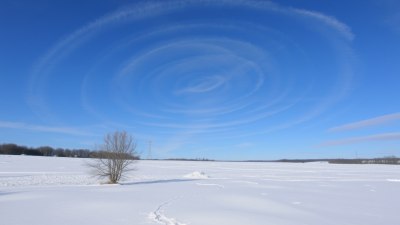
Image created with Flux Schnell
The phenomenon of high-pressure systems dominating during deep winter is a fascinating aspect of meteorology that significantly influences weather patterns across the Northern Hemisphere and beyond. These systems, often characterized by clear skies and cold temperatures, differ markedly from the low-pressure systems that bring storms and precipitation. Understanding why high-pressure systems prevail in the depths of winter involves exploring atmospheric dynamics, temperature contrasts, and seasonal variations.
What Are High-Pressure Systems?
High-pressure systems, also known as anticyclones, are regions where the atmospheric pressure at the surface is higher than that of the surrounding environment. This results in descending air that inhibits cloud formation, often bringing clear skies and stable weather conditions. The air circulates clockwise in the Northern Hemisphere and counterclockwise in the Southern Hemisphere, driven by the Coriolis effect.
Seasonal Atmospheric Changes
As the Earth tilts on its axis and orbits the sun, seasonal changes cause variations in solar heating. During deep winter months, the Northern Hemisphere receives significantly less sunlight, leading to much colder surface temperatures. This cooling affects air density and pressure distributions, setting the stage for high-pressure systems to dominate.
Thermal Contrasts and Air Masses
One of the key drivers of high-pressure system formation in winter is the development of cold, dense air masses over large landmasses. Continental interiors cool substantially during the long winter nights, increasing air density and causing the air to sink and accumulate near the surface. This accumulation leads to a rise in surface pressure, fostering the development of extensive high-pressure zones.
The Siberian High - A Prime Example
The Siberian High is one of the most prominent winter high-pressure systems. It forms over Siberia due to extreme cooling of the vast land area during winter. This static, cold air mass creates a persistent, intense high-pressure system that can influence weather not only in Asia but also across the Northern Hemisphere by steering jet streams and blocking storm paths.
Atmospheric Stability and Clear Skies
High-pressure systems contribute to stable atmospheric conditions because the descending air suppresses convective activity. This reduces cloud formation and often leads to clear, calm weather. During deep winter, such conditions can result in frigid nighttime temperatures because of radiative cooling in the absence of cloud cover, further reinforcing the cold air mass and pressure system.
Interaction With the Polar Vortex
The polar vortex, a large area of low pressure and cold air surrounding the poles, interacts with high-pressure systems during winter. Variations in the strength and position of the polar vortex can enhance or weaken peripheral high-pressure cells. In many winters, a strong and stable polar vortex supports the persistence of high-pressure ridges around its perimeter, contributing to blocked weather patterns.
The Role of Jet Streams
Jet streams, fast flowing air currents in the upper atmosphere, shift their position and strength with the seasons. In winter, the polar jet stream tends to dip southward, creating conditions favorable for strong high-pressure ridges. These ridges can lock in place due to the jet stream pattern, leading to prolonged periods dominated by high-pressure systems and stable, cold weather.
Geographical Influences on High-Pressure Dominance
Geography plays a crucial role in where and how high-pressure systems develop and persist. Large continental masses, mountain ranges, and ocean proximity all influence surface temperatures and pressure distributions. For instance, the cold Siberian High contrasts with maritime climates where oceanic influence moderates temperature extremes and reduces high-pressure dominance.
Impacts on Flora, Fauna, and Human Activity
The dominance of high-pressure systems in winter has direct consequences for ecosystems and human activities. The stable, cold conditions can lead to frozen soils and water bodies, impacting plant dormancy cycles and animal hibernation patterns. For humans, these weather regimes affect heating demands, transportation, and outdoor work conditions due to clear but very cold weather.
Variability and Exceptions
While high-pressure systems often dominate in deep winter, variability exists due to climatic oscillations like the North Atlantic Oscillation (NAO) and the Arctic Oscillation (AO). During positive phases, high-pressure systems may weaken and shift, allowing more low-pressure systems to penetrate regions. Conversely, negative phases support stronger and more persistent high-pressure dominance, leading to colder, drier winters.
Climatic and Long-Term Trends
Climate change introduces complexities into traditional winter weather patterns. Warming Arctic conditions may weaken the polar vortex and alter jet streams, potentially reducing the frequency and intensity of winter high-pressure blocks. However, some studies indicate that disrupted circulation can increase the prevalence of cold air outbreaks associated with high-pressure dominance, leading to greater extremes rather than a simple trend toward milder winters.
Monitoring and Forecasting High-Pressure Systems
Meteorologists rely on satellite imagery, surface observations, and atmospheric models to monitor the formation and movement of high-pressure systems. Accurate forecasting of these systems during winter is critical for agricultural planning, energy management, and public safety. By understanding the atmospheric conditions that favor anticyclones, forecasters can provide better guidance on cold outbreaks and associated weather risks.
In summary, the dominance of high-pressure systems during deep winter arises from strong continental cooling, sinking cold air, and seasonal atmospheric circulation patterns. The Siberian High exemplifies how large-scale geographic and thermal factors contribute to stable, cold weather regimes. Interactions with the polar vortex and jet streams reinforce these systems, while climatic variability and long-term trends continue to shape their behavior.
Deep winter high-pressure systems fundamentally shape the seasonal landscape, weather, and environment. Their persistent presence underscores the complex interplay between Earth's atmosphere, geography, and solar influences, defining a critical chapter in the annual climate cycle.