Why Every Scarf Ends Up in a Custody Battle With the Wind
Explore why scarves are prone to flying away and the whimsical struggle between scarves and the wind.
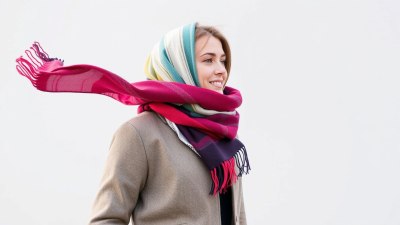
Scarves hold a special place in the world of fashion and utility. They are cherished not only for their ability to add style to an outfit but also for their practical warmth during chilly days. Yet, despite their popularity and importance, scarves often seem to wage an ongoing, invisible war with the wind. This curious battle between a wearer and the elements leads to scenarios that many can relate to – scarves slipping, twisting, or flying away unexpectedly, prompting what could be humorously described as a 'custody battle' between the wearer and the wind.
Understanding why scarves are so prone to this sort of adventure involves a mixture of physics, material choice, and human factors. Let's unravel the reasons behind why every scarf tends to end up in a tussle with the breeze, and why this struggle has become a common, if not frustrating, experience for scarf enthusiasts around the globe.
The Physics Behind the Flight
At the heart of the scarf's chase with the wind is a simple yet powerful force: air movement. Wind is air in motion, and when it meets the scarf’s fabric, it applies pressure and force upon it. Scarves, being lightweight and loosely worn pieces of fabric, offer little resistance to the wind’s push. This interaction causes the scarf to flutter, twist, or even fly out of the wearer’s grasp.
The fabric’s drag and lift come into play here. Drag is the air resistance that acts opposite to the direction of motion, which can cause the scarf to flap or billow when caught by breezes. Lift, which is the force perpendicular to wind direction, can cause the scarf to be lifted away from the neck. Think of it as a miniature version of how an airplane wing reacts to airflow — only in this case, your scarf momentarily ‘takes flight.’
Wind speed and direction also heavily influence the scarf’s behavior. A sudden gust creates a force that suddenly overwhelms the frictional forces holding the scarf in place, breaking its delicate balance. Turbulence caused by obstacles such as buildings or trees can lead to erratic wind changes, making the scarf’s movement unpredictable. Because scarves are typically loosely draped instead of tightly fastened, they are far more vulnerable to these ephemeral air currents.
Material Matters: The Choice of Fabric
The susceptibility of a scarf to the wind’s tussle significantly depends on the type of fabric used. Scarves can be made from a broad array of materials, each with unique properties that react differently to wind exposure.
Silk scarves, for example, are known for their light, smooth, and slippery nature. Their silky texture enables them to glide easily through air currents, making them more prone to being lifted or blown aside. While glamorous and flowy, silk scarves can feel like they’re constantly on the brink of escape.
In contrast, wool or cashmere scarves are heavier and have a rougher texture, which creates more friction against the skin and clothing. This added grip often helps them cling better, reducing their tendency to be stolen away by the wind, though not eliminating it entirely. However, their bulkier weight might also make them less comfortable in sharply gusty environments.
Synthetic fibers such as polyester or viscose have varied weights and textures, but tend to be lighter than wool, lighter than most precious fabrics, but heavier than silk. These materials may balance between slip and grip, often determined by weave tightness and thickness. The way the fabric is woven or knitted also plays a crucial role. Loosely woven scarves allow more air flow, increasing fluttering effects, while tightly woven or knitted scarves resist wind passage and reduce erratic movements.
The Art of Wrapping and Wearing
Scarves don’t just fight the wind because of their material and the physics of air movement — the way they are wrapped and worn is equally crucial. A loosely draped scarf is like a sailbillowing in the breeze, while a tightly wrapped one becomes more akin to an anchor.
For instance, wrapping a scarf snugly around the neck reduces exposed surface area, minimizing the catch for the wind to grab. Tying the ends firmly or tucking them inside a jacket or coat also prevents them from fluttering freely. Conversely, casually thrown scarves that hang loosely attract the wind like a flag, inviting it to engage in this ongoing tug-of-war.
Styles where scarves are simply looped and allowed to dangle, such as the classic 'European loop' or 'knotted loop,' create more areas for wind to invade and cause flapping. Scarves worn under a coat or sweater edges have the advantage of being restrained physically, clamping the fabric and offsetting the pull of the wind.
The wearer’s own movement plays a role, too. Walking briskly or running increases airflow around the scarf, augmenting the wind’s effect. Turning a corner or entering a breezy street can unleash unexpected gusts, pulling scarves into spontaneous flights.
Environmental Influences and Typical Scenarios
The environment surrounding a scarf wearer significantly alters how scarves behave against wind. Urban areas offer complex wind dynamics due to buildings creating narrow corridors and wind tunnels, causing sudden gusts. Open spaces like parks or rural areas may allow more consistent wind, making scarf flight more predictable but still persistent.
Cold climates, where scarves are frequently worn, often coincide with windy weather. This naturally increases the chance of a scarf becoming a target for the breeze. Additionally, weather variations such as gusty days during spring or autumn elevate the challenge of keeping scarves neatly in place.
Everyday activities pose their own risks. Riding a bicycle, hailing a taxi with open windows, or standing near an open train window can provide intense bursts of wind making scarf management virtually impossible. Even crossing intersections can result in sudden drafts that pull scarves in unexpected directions.
The Human Element: Why We Let It Happen
Aside from physics and environment, human behavior and choices contribute to why scarves so often end up in these custody battles. Many scarf wearers embrace the freedom and aesthetic of loose, flowing scarves despite knowing the risks. The effort to constantly adjust or tie scarves more securely might detract from comfort and style.
There is an unspoken charm in the carefree fluttering of scarves, often associated with romantic or stylish imagery in media and photography. This has perpetuated the preference for loosely wrapped scarves that allow movement. Accepting the playful challenge against the wind becomes part of the experience - an interactive relationship rather than a simple battle.
Furthermore, awareness of the problem only sometimes triggers preventative measures. People may underestimate the wind’s power, or assume the scarf will settle down naturally. Others may prioritize convenience or speed over perfect scarf security, leading to the inevitable tussle later in the day.
Innovations and Solutions: Managing the Battle
Over time, people have devised numerous ways to reduce or tame the scarf-versus-wind conflict. Innovations in materials, fastening techniques, and accessories aim to provide solutions without sacrificing fashion or comfort.
Magnetic scarf clasps and delicate brooches help to secure scarves in place while adding decorative flair. These small but effective tools minimize scarf movement significantly. Buttoned or snap-closure scarves are designed with built-in fastenings to lock ends and prevent flying away.
Another approach is to use heavier fabrics or scarves designed with weighted edges, which naturally resist displacement by the wind. Some designers incorporate subtle weights sewn into hems to provide added stability.
Creative wrapping methods also exist, including styles that encase the scarf within a jacket or weave it tightly amongst layers. Tutorials emphasize practical styles ensuring scarves remain secure yet comfortable.
Athletic scarves and neck gaiters crafted from stretchable, snug materials offer alternatives that hug the neck firmly and are improbable to blow away, great for outdoor enthusiasts and workers exposed to continuous wind.
Why the Custody Battle Endures
Despite all knowledge, techniques, and technology addressing scarf wind issues, the tussle continues. This forgotten dynamic is not simply annoyingly persistent but also rather symbolic. It reflects the delicate balance between form and function, freedom and control, and nature’s forces versus human design.
That every scarf ends up in a custody battle with the wind isn't merely about lost accessories or moments of frustration. It serves as a reminder of the fluid and interactive relationship humans have with elements of nature, even within urban or everyday contexts. It’s a small but constant interaction echoing the unpredictability and liveliness of the world around us.
The struggles also remind us why scarves remain beloved apparel staples. Their ability to move gracefully, catch the breeze, and impart a sense of motion is part of their charm, evoking emotion, mood, and personal style. The tug-of-war with the wind is almost a dance, where each side asserts influence but neither definitively wins.
Therefore, the next time your scarf breaks free on a windy day, consider it an invitation to participate in this ongoing and playful contest, embracing the unique blend of elegance and chaos scarves contribute to our daily lives.
Through this perspective, the endurance of the scarf-wind custody battle is less of a problem and more of a poetic quirk — one that connects millions in shared moments under vast skies and spirited gusts.