When You Step Outside and the Air Punches You in the Lungs
Explore the intense sensation of cold air impacting your lungs when stepping outside, its causes, effects, and how to manage it effectively.

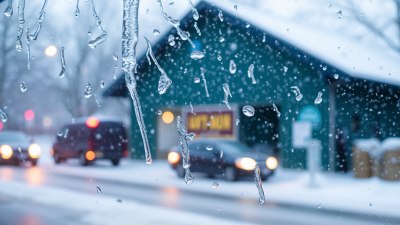
Image created with Flux Schnell
Stepping outside on a chilly day often brings an unmistakable sensation—a sharp, biting feeling as the cold air hits your lungs. This intense experience feels almost like the air itself is punching you in the chest, leaving you gasping or coughing. While it can seem alarming or uncomfortable, it stems from your body’s natural response to cold, dry air and an intricate physiological process designed to protect your respiratory system.
Understanding the Sensation
The feeling of cold air impacting your lungs is primarily caused by the temperature and moisture content of the air you breathe. When the air is cold and dry, it irritates the sensitive lining of your respiratory tract, especially within your bronchi and lungs. This irritation triggers a reflexive response from your body, causing the dramatic sensation you experience.
Cold, dry air causes the mucous membranes lining the respiratory tract to lose moisture rapidly, leading to dryness and reduced ability to filter and humidify the air effectively. This causes inflammation and constriction of the airways, making breathing feel more laborious and uncomfortable.
The Physiological Response to Cold Air
Your respiratory system is equipped to warm and humidify incoming air to near body temperature before it reaches your lungs. When you inhale very cold air, your body works harder to bring the temperature up, which consumes energy and requires increased blood flow to the respiratory mucosa.
In addition, the cold air can cause a reflex called bronchospasm, where the muscles surrounding the airways tighten unexpectedly. This reaction is especially common in people with asthma or other respiratory conditions, making cold air a common trigger for respiratory distress.
Why Does It Feel Like a Punch?
The sensation is heightened because the nerves in your airways are sensitive to temperature changes. The sudden influx of cold air stimulates these nerves, sending sharp pain signals to the brain. Additionally, the tightening muscles around the airways and an increased effort to breathe can create a feeling of pressure or sharp discomfort, akin to being punched.
Furthermore, the cold causes superficial blood vessels in your lungs and airways to constrict—a process known as vasoconstriction. This limits blood flow temporarily and can increase the sensation of tightness or discomfort in the chest.
Impact on Different Populations
While anyone can experience the harsh sensation of cold air hitting their lungs, certain groups are more vulnerable. People with asthma, chronic obstructive pulmonary disease (COPD), bronchitis, or other respiratory illnesses often find cold air particularly troublesome.
For these individuals, cold air can provoke coughing fits, wheezing, shortness of breath, and in severe cases, exacerbate underlying conditions leading to respiratory distress. Athletic individuals who exercise outdoors in cold weather also face increased risk, as heavy breathing during exertion intensifies the exposure of their lungs to cold air.
Seasonal Patterns and Environmental Factors
Winter months typically bring the most pronounced experiences of cold air punching the lungs, but early spring or late fall can also present similar challenges when temperatures fluctuate and humidity is low.
Environmental pollutants and allergens can worsen the respiratory impact of cold air. Dry, cold air combined with airborne irritants like smoke, dust, or pollen can irritate the lungs further, compounding discomfort and leading to inflammation.
Preventive Measures and Management
Taking care of your respiratory health during cold weather is essential for reducing painful lung sensations. One of the most effective ways to prevent discomfort is by warming the air before it enters your lungs. Covering your mouth and nose with a scarf or mask can help trap heat and moisture, tempering the cold air before it reaches your respiratory tract.
Humidifiers used indoors add moisture to dry air, easing symptoms. Maintaining good hydration helps keep the mucous membranes moist and resilient. Avoiding strenuous outdoor activities in extremely cold weather can also lessen exposure and reduce risk.
Breathing Exercises and Lung Conditioning
Regular breathing exercises can strengthen your lungs and improve their tolerance to environmental stressors. Techniques such as diaphragmatic breathing and pursed-lip breathing help improve airflow, relax airway muscles, and increase oxygen exchange efficiency.
People frequently exposed to cold conditions—such as winter athletes or outdoor workers—benefit from gradually acclimating to colder air to build respiratory resilience. Controlled exposure helps the nervous system moderate its response to temperature changes, lessening the intensity of the sensation over time.
Nutritional Support for Respiratory Health
A diet rich in antioxidants and anti-inflammatory nutrients supports lung function. Vitamins C and E, omega-3 fatty acids, and antioxidants from fruits and vegetables help reduce inflammation and improve immune defenses against respiratory irritants.
Staying well-nourished ensures your body can maintain healthy mucous membranes and recover quickly from irritation caused by cold air exposure.
When to Seek Medical Attention
If you experience persistent chest pain, severe shortness of breath, wheezing, or coughing up blood after exposure to cold air, it is crucial to seek medical evaluation. These symptoms may indicate an underlying respiratory condition aggravated by cold exposure or a more serious lung issue.
Prompt treatment can prevent complications and improve quality of life, especially for those with chronic respiratory diseases.
The Psychological Aspect of Cold Air Sensation
The body’s response to cold air also involves sensory and psychological components. The startling jolt of cold air to the chest can trigger anxiety or a fight-or-flight response, increasing heart rate and respiratory effort, which in turn intensify the physical sensation.
Understanding this relationship can help individuals use relaxation techniques to mitigate the discomfort and panic that can accompany breathing in cold environments.
Historical and Cultural Perspectives
Across cultures and history, cold climates have influenced lifestyles, clothing, architecture, and even language regarding the sensation of cold air affecting breathing. Indigenous peoples in arctic regions developed specialized breathing techniques and clothing to minimize exposure and protect their respiratory health.
Traditional remedies often included the use of herbal infusions and steam inhalation to soothe the respiratory tract after exposure to cold air, highlighting the long-standing attempts to combat this common but challenging phenomenon.
Innovations in Respiratory Protection
Technological advances offer new ways to shield your lungs from harsh cold air. Modern masks with heated elements and built-in humidifiers are becoming available for use in extremely cold environments. These devices can significantly reduce the impact of cold air on sensitive airways.
Smart fabrics and insulated gear designed for cold climates incorporate materials that help maintain warmer inhaled air temperatures, offering additional protection for outdoor enthusiasts and workers.
The Role of Exercise in Cold Weather
Engaging in physical activity outdoors during cold weather presents unique challenges. Exercise increases respiratory rate, amplifying the volume of cold air entering the lungs, thus heightening irritation risk. Warming up indoors and gradually transitioning outdoors helps condition your airways to the cold environment.
Wearing appropriate layered clothing, including breathable face coverings, can mitigate cold air’s impact. Monitoring breathing and taking breaks as needed are critical to prevent overload of your respiratory system.
Common Myths and Misconceptions
Many believe that cold air itself causes respiratory infections; however, it is the drying and irritation of the airways that may weaken local defenses, making infections more likely but not directly caused by cold air.
Another misconception is that only people with lung diseases are affected. In truth, even healthy individuals can experience discomfort or transient coughing when suddenly exposed to very cold air.
Integrating Awareness Into Daily Life
Recognizing the signs of respiratory distress caused by cold air helps you take proactive steps. Assess the weather conditions before going outside, prepare with proper clothing and humidifying strategies, and listen to your body’s signals.
By becoming familiar with this physiological response, you can reduce discomfort, protect your lungs, and enjoy the outdoors safely even in cold weather.
The Science Behind Cold Air and Lung Function
Scientific research has uncovered mechanisms by which cold air affects pulmonary function, involving decreased mucociliary clearance, increased mucus production, and local immune modulation. Cold exposure also influences surfactant function, a substance critical for keeping the airways open and reducing surface tension in the alveoli; this alteration leads to transient breathing difficulty.
Ongoing studies aim to develop interventions targeting these pathways to reduce cold-induced respiratory symptoms.
Living with Sensitivity to Cold Air
For those who face heightened sensitivity, developing an individualized plan to manage exposure is vital. This can include working with healthcare providers to adjust medications, employing preventive measures, and using assistive devices as needed.
Adopting lifestyle adaptations such as avoiding peak cold times and maintaining indoor air quality helps sustain respiratory health year-round.
Experiencing the sensation of cold air punching your lungs is a vivid reminder of your respiratory system’s vulnerability and resilience. Understanding the underlying causes and appropriate management techniques allows you to minimize discomfort and stay active even when the temperatures drop.
By combining practical protective measures with awareness and care, you can face the cold with confidence, ensuring your lungs remain healthy regardless of the weather.