When the Forecast Says “Flurries” But Means “Survival”
Explore the reality behind snow flurries forecasts and how they can impact survival in unexpected ways.
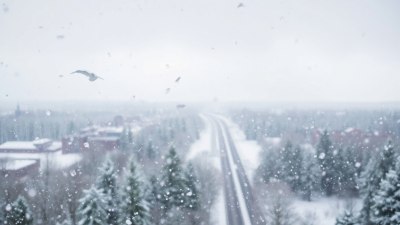
Image created with Flux Schnell
Weather forecasts are a vital part of our daily decision-making process, helping us prepare for the day ahead. Among the many terms meteorologists use, “flurries” might seem harmless or even inconsequential. Yet, underestimating flurries can lead to situations where survival instincts kick in, especially in regions prone to sudden weather changes.
Understanding Snow Flurries
Snow flurries refer to a light snowfall consisting of small, scattered snowflakes that rarely accumulate. The National Weather Service defines flurries as intermittent light snow showers that produce little to no measurable accumulation. Unlike heavier snow events, flurries might seem trivial because they usually do not cause immediate disruption or road hazards. However, the subtlety of flurries often masks their potential to impact daily life gradually, especially if conditions escalate unexpectedly.
Flurries are commonly observed during the early winter season or transitional periods when air temperatures hover close to freezing. Because the snow in flurries tends to be light and temporary, many people might dismiss warnings. Yet, for those caught outdoors with inadequate preparation, these light snow showers can become a challenge, particularly in remote or wilderness settings.
The Meteorological Factors Behind Flurries
Flurries typically result from small-scale cloud formations with sufficient moisture and temperature conditions just below freezing. Unlike heavy snowstorms, which involve large storm systems, flurries are often caused by localized lifting of moist air. The limited moisture supply leads to sparse snowflake development and low snow intensities. These conditions mean that the accumulation is minimal but constant over some areas, creating a slippery layer rather than a snowbank.
Moreover, flurries can be misleading because they coincide with temperatures near freezing, causing melting and refreezing cycles. This can result in icy patches on roads and sidewalks without substantial snow piles. For travelers, these conditions increase the risk of slipping or losing control of vehicles, though the forecast might indicate only flurries.
When Flurries Turn Into Survival Scenarios
While flurries sound minor, in certain circumstances they become matters of survival. For instance, hikers or outdoor workers in wilderness areas might find themselves unprepared for sudden cooling, wind, or worsening conditions that accompany flurries. Exposure to cold, wet snowflakes combined with wind chill can lead to hypothermia if appropriate clothing or shelter is unavailable.
One illustrative example occurred in mountainous regions, where afternoon flurries unexpectedly reduced visibility and temperature. Hikers caught without sufficient gear had to find immediate shelter, and the light snow accumulation on trails made navigation difficult. The term “flurries,” in these cases, belied the real danger of exposure and disorientation, highlighting how weather terminology may not fully communicate risk.
In urban settings, flurries may also impose survival-like challenges. For individuals experiencing homelessness or those without adequate heating, even small snowfalls can disrupt their ability to stay warm and dry. Emergency services might be stretched thin during these times, emphasizing the precariousness of survival for vulnerable populations under flurry conditions.
Psychological Effects of Underestimating Flurries
Psychological complacency toward flurries can result from their seemingly gentle nature. Many people imagine them as insignificant, encouraging less caution in travel and outdoor activities. This mindset, however, sets the stage for accidents and exposure incidents. When people hear “flurries,” they may decide against carrying essentials like extra clothing, emergency supplies, or altering travel plans.
The underestimation can lead to cognitive dissonance when the reality of slippery roads, poor visibility, or cold winds contradicts initial expectations. This mismatch creates stress and panic, which can impair judgment and survival decisions. Understanding the psychological risks associated with benign forecast terms is crucial to improving personal safety during winter weather events.
Flurries in Different Climates and Their Impact
The consequences of snow flurries vary dramatically depending on geographical and climatic context. In regions where snow is rare, even light flurries can bring major disruptions. Cities that seldom experience snow often lack adequate snow removal infrastructure, leading to dangerous travel conditions. Drivers unfamiliar with icy surfaces increase the risk of accidents during light snow events labeled as flurries.
Conversely, in areas accustomed to snowy winters, residents might be more prepared but also potentially more complacent due to experience. Flurries that seem routine could still escalate, especially in mountainous or high-altitude places where weather changes rapidly. The variability in how flurries affect different locations accentuates the importance of knowing local weather patterns and preparing accordingly.
Preparing for Survival When the Forecast Says Flurries
Even when the forecast calls only for flurries, prudent preparation is advisable. For commuters, ensuring vehicles have winter tires, sufficient windshield washer fluid, and emergency kits can mitigate risks on slick roads. Pedestrians should wear appropriate footwear to prevent slips and falls on icy patches.
For outdoor enthusiasts, layering clothing and carrying extra shelter and emergency supplies are essential. Navigation tools such as GPS or maps become critical if visibility decreases. Planning routes with possible shelters or escape points helps avoid getting stranded in worsening condition scenarios when flurries turn severe unexpectedly.
The Role of Technology in Flurry Forecasting and Survival
Advances in meteorology improve the prediction of flurries, but limitations still exist due to their intermittent and localized nature. High-resolution radar and satellite imagery assist forecasters in assessing where and when flurries might develop, yet real-time changes remain challenging to pinpoint precisely.
Modern technology also aids survival through apps that provide weather alerts and safety advice, which are essential tools during winter. Wearable devices monitoring body temperature and location can help prevent hypothermia and prompt rescue if conditions deteriorate. In critical situations, access to communication devices is vital to survive flurry-related emergencies.
Case Studies of Flurries Leading to Critical Outcomes
Historical incidents reveal the fine line between harmless flurries and life-threatening situations. For example, a group of mountain climbers caught during unexpected afternoon flurries had temperatures drop sharply, forcing an overnight stay in makeshift shelters. Without adequate preparation, the cold nearly resulted in severe frostbite cases.
Similarly, urban accidents during light snow flurries are common due to slick roads and reduced traction. Emergency rooms see spikes in falls and car crashes with varying severity during these times, underscoring how flurries impact public safety beyond mere inconvenience.
Lessons Learned and Best Practices
Several lessons emerge from analyzing flurry events with survival implications. First, never dismiss a flurry forecast as trivial; configure personal or organizational safety protocols to accommodate sudden changes. Expect variability and pack accordingly.
Second, education about winter weather hazards should emphasize deceptively mild conditions, teaching how mental preparedness complements physical readiness. Encouraging a mindset that respects weather forecasts, including flurries, enhances community resilience.
Lastly, investment in infrastructure and emergency response for light snow events is crucial, particularly in areas unaccustomed to winter precipitation. Ensuring roads and public spaces remain safe even during flurries reduces risk significantly.
Survival Mindset in Changing Weather
The term “survival” in relation to flurries is a reminder that nature’s subtle signals can demand respect. Developing a survival mindset involves anticipating sudden discomforts, staying vigilant for weather updates, and responding with caution irrespective of forecast severity. Flurries, while sounding minor, can escalate conditions rapidly, affecting human health and safety.
Whether for urban dwellers, outdoor workers, or adventurers, recognizing that flurries might mean more than just a sprinkle of snow promotes proactive behavior. Simple habits—checking weather multiple times, carrying essentials, knowing emergency contacts—can be lifesaving in scenarios where a flurry forecast becomes a survival situation.
The Broader Significance of Weather Language
The disparity between meteorological terminology and public interpretation points to a broader challenge in communicating weather risks effectively. Words like “flurries” conjure images of light, non-threatening snowfall, yet their impact depends on context. Clear messaging that bridges scientific description and layman understanding would improve preparedness and reduce accidents.
Improved public awareness campaigns and weather literacy could reduce the gap between forecast and action. Emphasizing potential consequences, even from light snow events, ensures individuals and communities better grasp the stakes involved.
Cultural Perspectives on Flurries and Winter Survival
Across cultures, winter weather encounters vary, shaping different attitudes about flurries and survival. In some northern indigenous communities, light snow might be seen as a signal to prepare the land or adjust routines. In contrast, subtropical regions may regard any snow event as extraordinary and potentially dangerous.
These perspectives influence how people respond to flurry forecasts. Understanding cultural context helps meteorologists and public safety officials tailor communication and outreach to diverse populations, improving overall safety during winter weather changes.
Moving Forward: Recommendations for Individuals and Communities
Building resilience to flurries involves a mix of individual vigilance and community support. Individuals should stay informed about local weather patterns and pack accordingly. Communities can enhance preparedness by maintaining clear communication channels, providing accessible emergency shelters, and facilitating rapid response.
Urban planners might consider winter weather effects in infrastructure design, such as better drainage to prevent ice buildup or heated sidewalks in certain areas. Public transit systems can also prepare for light snow to maintain service levels and prevent accidents.
Ultimately, acknowledging that flurries are not always just gentle snow means treating forecasts with respect and readiness. This attitude fosters safer environments and reduces the gap between forecast language and lived experience.
Though flurries are often regarded as minor, they carry hidden dangers that can challenge survival, especially when combined with exposure, underestimated risk, or lack of preparation. Understanding meteorological causes, psychological tendencies, and regional variations equips people to better handle the unpredictability of flurries. Advances in forecasting and technology improve safety, but community education and a survival mindset remain essential. Recognizing the true meaning behind “flurries” allows for prudent actions that safeguard health and well-being in changing winter climates.