The Sudden Rage of a Seatbelt Buckle in a Cold Car
Explore the surprising causes behind the sudden loud clicks and rattles of seatbelt buckles in cold cars and how to prevent them.
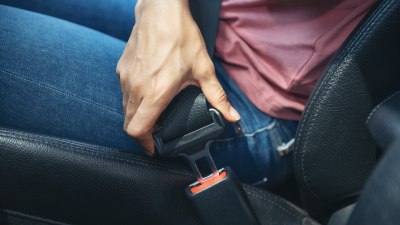
When you enter a cold car on a frigid morning, you might notice a sudden, sharp clicking noise coming from your seatbelt buckle. This unexpected sound can be startling and puzzling, leading many to wonder if something is wrong with their vehicle or their seatbelt mechanism. Surprisingly, this sudden 'rage' of the seatbelt buckle is a well-documented phenomenon tied closely to temperature changes and the physical properties of the materials involved.
The initial encounter with this sharp noise often comes as the car's interior is stiff and cold, and the seatbelt buckle seems almost aggressive in its sudden noisy behavior. Drivers and passengers may hear the buckle making loud, hard clicks or rattling sounds that are distinct and loud compared to the usual quiet operation when the vehicle is warm. This article aims to unravel the mystery behind this behavior, explain the science involved, and provide practical advice on how to manage or prevent these sudden noises during cold weather.
Understanding the Seatbelt Mechanism
The modern seatbelt system is a combination of mechanical parts designed to ensure both comfort and safety. The core component involved in the noise is the seatbelt buckle—the receptacle into which the belt’s latch plate clicks and locks. Inside this buckle is a metal tongue connected to a spring mechanism that securely holds the latch plate until released by pressing the buckle's release button.
This locking mechanism is engineered to perform flawlessly under a range of conditions. However, changes in temperature, especially cold, can impact the materials inside the buckle and how they move or interact with each other. Metals contract when cold, and plastics can become brittle or less flexible. These changes can cause the components to shift in unexpected ways, leading to an audible clicking or snapping sound that might feel abrupt or even aggressive.
The Role of Temperature in Buckle Noise
Temperature changes are at the heart of the sudden rage of the seatbelt buckle. When a car is parked overnight during winter or early in the morning when temperatures are low, the materials inside the buckle tighten or contract. The cold causes metal components to shrink slightly, reducing clearances between moving parts. At the same time, any accumulated moisture can sometimes freeze, creating temporary stiffness within the mechanism.
When the latch plate engages with this tightened mechanism, it may snap into place with more force than usual, creating a louder, more abrupt clicking noise. Alternatively, if the buckle has internal springs, their tension might increase due to changes in material flexibility, making the release or locking snap more intense. This amplified sound can be compared to a sudden burst of rage, hence the metaphor often used by drivers experiencing it.
Material Science Behind the Behavior
The components of seatbelt buckles are typically made from metals such as stainless steel or zinc alloys, combined with durable plastics like ABS (acrylonitrile butadiene styrene) or polycarbonate. Each of these materials responds differently to cold temperatures. Metals contract uniformly but remain relatively rigid. Plastics, however, can become brittle and can change how they absorb or transmit sound.
The interaction between these materials inside the buckle housing is critical. In cold conditions, the plastic casing might become less compliant and transmit even slight mechanical noises more efficiently, making the clicking sounds louder and more noticeable. Additionally, any difference in thermal expansion between the metal and plastic parts can exacerbate tightness or looseness, respectively, adding to the acoustic effects.
Why Does the Noise Sound Like Raging?
Humans often anthropomorphize mechanical noises when they are sudden, sharp, or aggressive-sounding. The unexpected loudness, combined with a popping or snapping quality, can make the noise feel more like an emotional outburst rather than a benign mechanical function. This perception is amplified in the quiet, chilly environment of a cold car cabin, where sounds are clearer and more surprising.
Moreover, the rapid release or lock clicks can resemble the sounds we associate with anger or frustration, such as slamming doors or snapping objects. This leads to the colorful description of a seatbelt buckle “raging” when cold. Nevertheless, this is a purely physical phenomenon rather than a sign of malfunction or danger.
How Moisture and Ice Influence the Buckle
Another factor that can contribute to the sudden loud noises is moisture within the buckle mechanism. Condensation that occurs with changing temperatures can accumulate inside the buckle. If temperatures drop below freezing, this moisture can freeze into tiny ice crystals or films, which interfere with the smooth operation of the internal parts.
When attempting to latch the seatbelt, these ice formations can cause the components to stick or then suddenly release, causing a loud snapping or clicking sound. This frost buildup can be temporary, melting as the car warms up, which explains why the noise often disappears after use or once the vehicle's interior heats up.
Preventing the Sudden Clicking Noise
While the sudden noise is generally harmless, it can be disconcerting. Fortunately, there are several steps vehicle owners can take to minimize or prevent this abrupt click of seatbelt buckles in cold conditions:
- Keep the car interior warm: If possible, start the vehicle and activate the heater to warm the cabin before fastening seatbelts. This helps the materials inside the buckle to expand and return to normal function.
- Use a cover or protectors: Wrapping the buckle in a soft cloth or using seatbelt covers can insulate it slightly against temperature drops and reduce noise transmission.
- Inspect and clean the buckle: Regularly clean the buckle mechanism to remove dust, dirt, or moisture that could freeze and enhance rattling noises.
- Park in sheltered areas: Whenever possible, park vehicles in garages or covered areas to reduce exposure to extreme cold and moisture buildup.
- Apply lubricant: Use a small amount of silicone-based lubricant designed for plastics and metals to keep the buckle mechanism moving smoothly. Avoid petroleum-based products as they can degrade plastic components.
Maintenance Tips for Seatbelt Buckles
Preventative maintenance can extend the life of seatbelt buckles and keep their operation quiet and smooth even in adverse weather. Experts recommend periodic inspection of the buckles to ensure no visible damage, corrosion, or stiffness. If the buckle feels sticky or does not latch smoothly, it should be serviced or replaced immediately for safety reasons.
When cleaning, use compressed air to dislodge any particles inside the buckle. Avoid inserting sharp objects that could damage internal components. After cleaning, applying a light spray of silicone lubricant can improve operation.
When to Seek Professional Help
If the buckle continues to make loud or unusual noises after attempts at cleaning and lubricating, or if it fails to latch or release properly, it’s important to consult an automotive professional. Seatbelts are critical safety devices, and any signs of malfunction require immediate attention. Due to the complexity of modern seatbelt assemblies and the importance of safety regulations, professional diagnostics and repair are the best course of action.
Additionally, if you notice any visible cracks in the plastic housing or metal corrosion, replacement of the buckle assembly might be necessary. Safety standards dictate that compromised seatbelt components be replaced promptly.
Common Myths About Seatbelt Buckle Noises
Many misconceptions surround the noise of seatbelt buckles in cold cars. Some people think the loud clicking means the buckle is broken or unsafe. Others believe it signifies an electrical fault or a strange mechanical failure.
In reality, the sudden noise is almost always due to physical contraction and material behavior under cold conditions. It does not indicate an immediate safety hazard but should be monitored to ensure normal function is maintained. Dispelling these myths helps users feel more comfortable and confident about the behavior of their seatbelts in winter months.
Historical Context of Seatbelt Designs
Seatbelt buckles have evolved significantly since their introduction in the early 20th century. Early designs were simple and often cumbersome, lacking modern locking and release mechanisms. Over the decades, advancements in materials science and engineering have produced buckles that are highly reliable and easy to operate.
Despite advances, the fundamental metal and plastic interaction inside buckles remains a constant. Hence, the influence of temperature on these materials has always been a consideration, even in older cars. Modern improvements in plastic composition have reduced brittleness, but the cold-induced clicking noise still persists in many vehicles. Manufacturers continue to research materials and designs to minimize such discomforts.
Scientific Analogies to Understand the Buckle Noise
An analogy to describe the sudden noise is the sound of a metal snap fastener or a click pen when assembled or snapped quickly after being cold. Similar physical principles—thermal contraction, altered material flexibility, and rapid release of mechanical tension—explain these analogous noises. Another analogy is the creaking or cracking of wooden floors or door frames in winter, where shrinking wood and sudden friction changes generate noises that sound like a ‘rage’ or sudden movement.
Understanding these analogies helps users realize that the noise is a natural result of physical and mechanical laws rather than an indication of malfunction.
Environmental and Safety Considerations
Despite the sometimes startling noise, it is crucial to never avoid fastening your seatbelt due to discomfort or misinterpreted sounds. Safety systems are designed to protect in accidents, and buckles must be engaged correctly every time.
Additionally, extreme cold can affect other vehicle safety components, such as airbags and locking systems. Regular maintenance and awareness of environmental effects on car parts can improve overall safety.
From an environmental standpoint, ensuring your vehicle is well-maintained and your buckle operates smoothly may also reduce unnecessary noise pollution in urban areas during cold months.
Emerging Technologies and Dampening Solutions
Automotive engineers are exploring new materials and designs to reduce unwanted noises from seatbelt buckles. Some approaches include integrating soft polymer buffers, advanced composite materials with better thermal stability, and acoustic dampening features inside the buckle assembly. These innovations aim to minimize the sudden ‘raging’ noise while maintaining safety and durability.
Moreover, some manufacturers are developing smart seatbelts with sensors and electronics that offer feedback and warnings if the buckle is improperly latched, adding an additional layer of safety without compromising quiet operation.
Tips for Drivers and Passengers
For individuals frequently dealing with cold car environments, simple behavioral adjustments can reduce the noise impact. For instance, fastening the seatbelt slowly rather than snapping it in place reduces abrupt mechanical sounds. Taking a moment to warm the car interior when starting a journey also helps.
If you notice the buckle noise occurs mostly on specific seats, inspecting those particular buckles for dirt or damage might be more effective than general cleaning. Sometimes, older vehicles or aftermarket seatbelts may have different noise profiles due to varied materials.
The sudden rage of a seatbelt buckle in a cold car is a fascinating demonstration of how material science, temperature, and mechanical design converge to create audible phenomena that surprise and sometimes alarm vehicle occupants. Understanding that this behavior is normal, typically harmless, and manageable empowers drivers to deal with cold-weather challenges more confidently.
By recognizing the influence of cold on metals and plastics, appreciating the physical bases for the noise, and applying preventive maintenance and usage strategies, drivers can eliminate much of the discomfort and distraction caused by the noisy seatbelt buckle. Furthermore, future technological advancements promise to reduce this noise even further, combining safety and comfort seamlessly in all weather conditions.