The Silent Rage of a Frozen Car Lock at 7AM
Discover causes, effects, and solutions for the frustrating experience of a frozen car lock early in the morning.
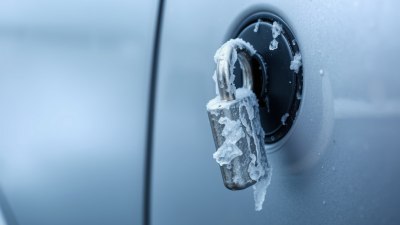
There is few things more exasperating than standing outside your vehicle at 7AM, fumbling desperately with a frozen car lock. The morning chill, the rush to start your day, and the unyielding resistance of the frozen lock create a potent mixture of frustration and helplessness. This seemingly minor inconvenience can spiral into a significant delay and stress, setting a negative tone for the day ahead.
Frozen car locks are a common problem in regions experiencing cold weather, especially during winter months. Understanding the reasons behind the freezing, how to prevent it, and effective methods to thaw the lock can help mitigate this daily annoyance. This article delves into the science behind frozen locks, explores practical solutions, and offers tips to avoid facing the dreaded frozen lock scenario ever again.
Why Do Car Locks Freeze?
At its core, a car lock freezes because water enters the lock mechanism and solidifies due to low temperatures. When water seeps inside the lock cylinder, it expands upon freezing, causing the tumblers and keyway components to become immovable. This expansion creates a physical barrier that prevents the key from entering or turning in the lock.
The sources of water that cause freezing are varied. Condensation overnight, residual moisture from rain or snow, and humidity can all contribute. When the outside temperature drops below 0°C (32°F), the water trapped inside the lock begins to freeze. The problem intensifies if the lock is exposed to wet weather conditions and then rapidly cooled overnight.
The Morning Freeze: Why 7AM is a Common Culprit
Why does the struggle with frozen car locks often happen around 7AM? This is usually the time when people leave for work or school, coinciding with early morning temperatures at their lowest. Overnight, moisture collects and freezes in temperatures that typically reach their minimum before sunrise. By 7AM, the ice has fully formed inside the lock but the sun’s warmth has yet to thaw it substantially.
Additionally, the abrupt temperature shift from the interior warmth of a garage or home to the frigid outside environment accentuates the freezing process. The lock’s metal components conduct cold efficiently, meaning they reach freezing point quickly and maintain solid ice despite attempts to unlock forcibly.
The Silent Rage: Psychological Impact of a Frozen Lock
Frozen car locks do more than impede physical access — they can ignite a silent rage within, a frustration born of helplessness in face of a seemingly simple task turned impossible. That frustration can escalate quickly, especially during the early hours when patience is thin and schedules are tight.
The inability to open a vehicle can trigger stress, aggravation, and even feelings of anxiety. The silent rage is amplified by the pressing demands of the day, the cold air numbing fingers during repeated attempts to turn the key, and the noise of hurried footsteps or traffic that contrast with the immobility of the locked door.
This response is part of human reflex to unexpected obstacles, especially when they delay progress. Understanding this psychological dimension can encourage more proactive prevention and prepared response, turning silent rage into composed action.
Common Signs That Your Car Lock Might Freeze
Proactively identifying the likelihood of a frozen lock can save you from the shock at 7AM. Signs include:
- Visible moisture:If the lock or door area appears wet in the evening, freezing is likely overnight.
- Temperature dips:Prolonged cold spells with temperatures below freezing increase chances.
- Stiff key movement:When operating the lock in cold weather, if the key feels harder to insert or turn, internal freezing may have begun.
Recognizing these signs can prompt you to take preemptive measures, such as using lock deicing products or warming the lock.
Methods to Thaw a Frozen Lock
Once faced with a frozen lock, taking the right remedial steps can restore mobility quickly without damaging the lock components:
- Use a lock deicer:Syringe or spray products specifically designed to melt ice in locks contain alcohol or glycol-based solutions. They are effective in rapidly thawing the blockages.
- Apply heat carefully:Using a lighter or match near the lock cylinder can warm the metal enough to melt ice. This method requires caution to avoid damaging plastic parts or igniting flammable materials nearby.
- Warm the key:Heating the key gently with a lighter or warm water, then inserting it can help melt the ice inside without applying direct heat to the lock.
- Use hand sanitizer:Alcohol-based hand sanitizer can act as a deicing agent. Apply a few drops into the keyhole and attempt turning the key after a moment.
- Hot water:Pouring hot water over the lock can quickly melt ice, but be mindful this might cause refreezing if external temperatures remain low without immediate drying.
- Cover the lock:After thawing, covering locks with adhesive tape or small plastic covers prevents immediate re-freezing from moisture or snow.
Preventive Steps to Avoid Frozen Locks
Prevention is always better than treatment. Several proactive measures can minimize the chances of a frozen car lock:
- Lubricate locks:Applying graphite or silicone-based lubricants keeps locks functioning smoothly and reduces ice adhesion.
- Install a carport or garage cover: Protect your vehicle from direct exposure to snow, rain, and frost.
- Use lock covers or plugs: These small accessories protect the keyhole from moisture entry.
- Park facing away from prevailing winds: Reduces cold air and moisture buildup directly on lock areas.
- Keep door seals in good condition: Proper seals limit water entry into locking mechanisms.
- Avoid leaving windows slightly open: Prevents condensation and internal moisture formation.
The Impact of Frozen Locks on Daily Routine
Frozen car locks can cause ripple effects beyond mere inconvenience. Delays in leaving home can make commuters late for work or appointments, increasing overall stress levels. In emergency situations, the inability to access a vehicle quickly can create hazards.
Moreover, repeated forceful attempts to open a frozen lock often damage the key, lock cylinder, or both, resulting in costly repairs or replacements. This scenario not only affects time management but also finances.
Planning ahead and owning deicing solutions or spare keys can reduce these negative outcomes significantly. The experience of the frozen lock underscores the importance of preparedness in cold climates.
Technological Innovations Addressing Frozen Locks
Automakers and accessory manufacturers have taken note of frozen lock frustrations and introduced technologies aimed at minimizing freezing issues. Keyless entry systems reduce the need for physical key insertion, thereby eliminating the root cause of the problem.
Heated door locks and handles, integrated into some modern vehicles, use electrical heating elements to prevent ice formation. Such features are becoming more available, though they add incremental costs to vehicle price.
Smart garage door openers and proximity sensors offer alternative vehicle access methods without engaging traditional locks. These technologies represent the future of preventing morning locked-out scenarios caused by freezing.
How to Respond Calmly When Confronted with a Frozen Lock
Maintaining composure during a frozen lock encounter can make the difference between swift resolution and escalating frustration. Techniques include:
- Take deep breaths: Calming physical tension helps avoid damaging attempts.
- Assess the environment: Look for shelter or protection to prevent further cold exposure.
- Use available tools: Keep lock deicer or warm water readily accessible during winter.
- Seek assistance: If all else fails, contacting a professional locksmith reduces risk of damage.
Turning the silent rage into a peaceful problem-solving approach helps protect your vehicle and preserves your mental well-being during early morning challenges.
The Role of Materials in Lock Freezing
The materials used in car locks can influence how easily they freeze. Metal alloys with high thermal conductivity cool faster and thus allow condensation to freeze more quickly. Conversely, locks with protective coatings or those made of materials that do not conduct cold efficiently might resist freezing longer.
Manufacturers often coat lock internals to reduce moisture penetration and corrosion. However, these coatings can wear out, particularly in older vehicles, leading to increased susceptibility to freezing. Hence, regular maintenance plays a critical role in lock performance during cold weather.
Environmental Factors Exacerbating Lock Freezing
Several environmental variables can intensify the likelihood and severity of frozen locks, including:
- Humidity levels: High moisture in the air leads to increased condensation inside lock parts.
- Acid rain and pollution: These can erode lock seals and protective coatings, increasing vulnerability.
- Snow accumulation: Melting snow can seep into vulnerable lock areas before freezing again.
- Wind chill effect: Enhances the perceived cold and accelerates freezing processes.
An awareness of these environmental conditions encourages better precautions to shield locks from exposure.
Keeping Keys in Optimal Condition
The state of your key itself can influence how successfully you navigate a frozen lock. Bent or damaged keys may jam easier within a frost-coated lock. Maintaining a clean and smooth key surface facilitates insertion and rotation even when freezing threatens.
Additionally, consider warming the key before use during cold mornings. Keeping a spare key in a warm place can be a lifesaver when your primary key sticks due to ice.
Summary of Best Practices for Frozen Lock Management
To summarize the essential tactics in handling and preventing frozen locks:
- Regularly lubricate locks before winter.
- Use protective covers to minimize moisture infiltration.
- Keep lock deicing products handy for emergencies.
- Warm keys carefully before insertion.
- Opt for modern keyless or heated-lock technology when possible.
- Practice patience and calm strategies during lock freezing.
Employing these consistent habits can save you from countless mornings of silent rage and frustration over a frozen car lock.
Frozen car locks at 7AM embody a unique blend of environmental challenge and human emotion. Knowing the mechanics behind freezing, combined with preventive measures and calm remedial action, empowers vehicle owners to conquer this common issue. Through preparation and mindfulness, you can ensure your morning commutes start with a smooth turn of the key instead of the cold sting of resistance.