The Science of Winter Silence and Sudden Slipping
Explore the physics behind winter silence and the sudden slipping phenomenon on icy surfaces during cold months.
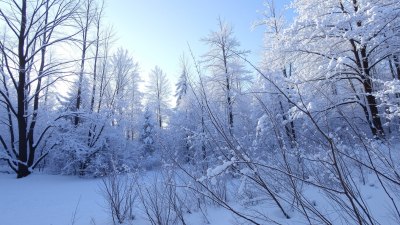
Winter brings a unique ambiance marked by a profound silence that feels almost otherworldly. This winter silence is not merely a poetic notion but a phenomenon grounded in scientific principles involving sound propagation and environmental conditions.
Simultaneously, winter poses challenges such as sudden slipping on icy surfaces, which is a direct consequence of intricate physical interactions between temperature, moisture, and materials. Understanding these phenomena provides valuable insights into winter safety and the natural environment.
The Physics Behind Winter Silence
Sound travels through air as waves, which require particles to vibrate and carry the signal. The propagation and intensity of sound depend heavily on atmospheric conditions such as temperature, humidity, wind, and surface characteristics.
During winter, colder air is denser because cold air molecules cluster closer together. This density increase affects the speed and attenuation of sound waves. Additionally, temperature inversions—when a layer of warm air overlies colder air near the ground—can refract sound waves back towards the earth instead of allowing them to disperse upwards, sometimes enhancing sound in specific directions.
Besides temperature, snow plays a vital role in enhancing silence. Fresh snow acts like a natural sound absorber. Its porous, fluffy structure traps and dampens sound waves, reducing reflections and echoes. This acoustic dampening occurs because the tiny air pockets within snow dissipate sound energy by converting it into minimal heat through viscous forces and friction.
The texture and depth of snow influence the level of quietness. Light, freshly fallen snow with a low density is an excellent sound absorber, while compacted or icy snow is less effective. Consequently, environments with freshly fallen snow are notably quieter than urban or snow-free settings.
Humidity also differs in cold air. Winter air tends to be drier, and sound waves travel more effectively in moist air because water vapor molecules ease energy transfer between vibrating molecules. In drier winter conditions, higher sound absorption by the air itself helps suppress distant noises, accentuating the feeling of silence.
Environmental Factors Contributing to Silence
Other natural influences contribute to the serene winter soundscape. Reduced foliage in deciduous forests removes surfaces for sound reflection. Similarly, the absence of active wildlife and fewer human activities during the colder months diminish ambient noise sources.
Wind plays a vital role in sound transmission. Calm winter days tend to create a still atmosphere where sound waves propagate predictably, often reinforcing the sensation of quietness. Contrarily, strong winds cause turbulent scattering of sound, breaking up waves and creating fluctuating noise levels.
Terrain also influences sound behavior. Snow-covered surfaces are more uniform and softer than dry earth or pavement. This changes the reflective properties of surfaces, further dampening sound. Rocky or hard surfaces reflect sound much more efficiently, creating echoes and amplification, which are rare in deep snow environments.
Mechanics of Sudden Slipping on Ice
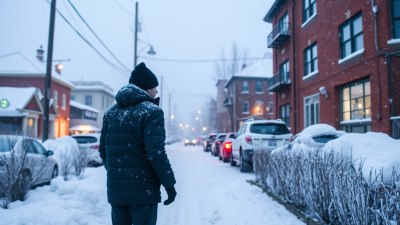
One of the most hazardous winter phenomena is the sudden loss of footing due to slipping on ice. This event occurs because the frictional force between a person’s footwear and the icy surface drops below what is necessary to support walking without slipping.
Friction arises from the interaction between two surfaces and depends on the roughness and material properties of both. When walking on dry ground, the rough contact between shoe soles and the surface generates enough frictional resistance to prevent slipping.
Ice creates a unique challenge because it can develop a thin layer of liquid water on the surface even at temperatures below freezing. This quasi-liquid layer acts as a lubricant, drastically reducing friction and causing footwear to slide easily.
Pressure melting is one key process behind this phenomenon. The pressure applied by a shoe sole can locally lower the melting point of ice, creating a thin film of water underfoot. This effect intensifies slipping risk when the ice is relatively warm (close to 0 degrees Celsius) and smooth.
Additionally, frictional heating during initial movement can momentarily melt ice beneath the shoe, further reducing traction. Once slipping begins, the loss of friction prevents easy recovery of balance.
Surface Conditions and Slipping Risk
Not all ice conditions yield the same slipping risk. Clear, smooth ice has minimal surface roughness, providing very little friction. In contrast, rough or frosted ice offers irregularities that can catch the shoe sole and improve grip.
Snow coverage alters the scenario. A layer of snow over ice can create a cushioning, abrasive surface that enhances traction. However, packed or melted-refrozen ice beneath snow can remain treacherous, as the snow layer may conceal the underlying slickness.
Temperature fluctuations directly affect ice properties. At extremely low temperatures, ice becomes harder and less likely to form surface melting layers, which paradoxically can sometimes increase traction compared to slightly warmer ice close to melting.
Human factors like footwear choice greatly influence slipping likelihood. Shoes with specialized tread patterns and materials designed to grip cold surfaces reduce falls. Conversely, smooth soles or inappropriate footwear dramatically increase vulnerability.
Biomechanics of Balance and Slipping
Human gait involves complex coordination between sensory feedback, muscle control, and mechanical stability. Under typical conditions, the brain anticipates surface traction and adjusts posture, stride length, and muscle activation accordingly.
On icy surfaces, sudden reductions in friction disrupt this control loop. The initial contact may feel stable, but the rapid loss of traction prevents muscles from compensating effectively. Reflexive responses to slipping are often too slow to prevent a fall because slipping occurs rapidly.
In addition, the distribution of body weight and foot placement affects slip risk. Walking with feet flat and slow steps concentrates weight evenly and maximizes friction, while abrupt, uneven steps increase susceptibility to slips.
Preventive Measures and Everyday Applications
Understanding the science of winter slipping informs safety strategies. Treatments such as applying sand, gravel, or chemical de-icers increase surface roughness and disrupt ice formation, enhancing traction.
Innovative technologies like anti-slip footwear utilize materials that remain flexible at low temperatures and feature microspikes or enhance grip via advanced rubber compounds. Surface engineering also explores textured pavements designed to minimize ice buildup and improve friction.
Physical training focusing on balance, proprioception, and cautious gait further reduces fall risk in icy conditions. Awareness and anticipatory behaviors allow individuals to adjust movements appropriately.
Winter Silence and Psychological Impact
The profound silence during winter has psychological effects on humans. Quiet environments promote calmness, reduce stress, and enhance contemplative states. The muffling effect of snow creates a sensory reduction that contrasts with the usual urban noise, offering respite and fostering mindfulness.
Acoustic studies have used winter silence settings to conduct experiments requiring minimal ambient noise, illustrating the practical value of natural sound attenuation. The quiet also amplifies subtle sounds like cracking ice or animal movement, contributing to heightened sensory awareness.
Ecological and Environmental Significance
Winter silence influences animal behavior and ecological processes. Predators rely on stealth enhanced by snow’s dampening, while prey species adapt to reduced auditory cues. This acoustic environment shapes communication and survival strategies among wildlife during winter months.
Moreover, sound propagation changes affect human activities like transportation, outdoor sports, and wildlife observation. Understanding these dynamics aids in designing equipment and planning schedules that consider auditory conditions.
Environmental monitoring also benefits from insights into sound behavior during winter. For example, remote sensing of animal populations using acoustic devices must factor in seasonal sound alterations to maintain accurate data collection.
Scientific Exploration and Future Research Directions
Research into winter silence and slipping continues to evolve with advances in materials science, meteorology, and biomechanics. Developments in sensor technology allow detailed mapping of soundscapes, providing deeper understanding of how ice and snow influence acoustics.
On the slipping front, studies exploring microscopic ice properties and human locomotion in controlled environments inform safer designs for footwear and infrastructure. Simulations using physics-based models help predict slip risk under varying conditions.
Interdisciplinary approaches combining physics, psychology, and ecology promise comprehensive insights into how winter shapes human experience and natural processes. These efforts contribute to public safety, environmental stewardship, and appreciation of seasonal phenomena.
The unique interaction between winter’s soundscape and slipping hazards exemplifies the complexity of natural systems and the value of scientific inquiry to decode everyday mysteries.