The Mysterious Magnetism Between Snow and Public Transport
Explore the intriguing relationship between snow conditions and public transport performance, challenges, and adaptations.
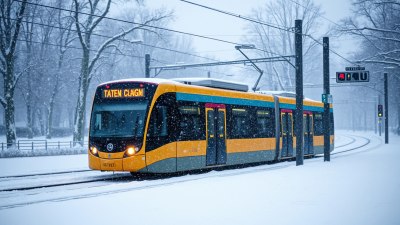
Snow has long been a symbol of winter’s harsh beauty, but for public transport systems around the world, it represents a complex and often troublesome challenge. The delicate dance between snowfall and the efficiency of buses, trams, trains, and subways paints a compelling picture of human ingenuity battling the forces of nature. This article delves into the multifaceted dynamics—the mysterious magnetism—between snow and public transport, exploring how snow shapes transit operations, affects commuter experiences, and catalyzes innovative solutions.
Understanding the Impact of Snow on Public Transport
Snowfall introduces a host of conditions that can compromise the functionality of public transportation. Accumulated snow on roadways and rails increases friction, slows down vehicles, and poses safety risks such as skidding and collisions. Cold temperatures combined with moisture can lead to ice formation, compounding difficulties for vehicles and infrastructure. For cities unaccustomed to heavy snow, these complications can cause transit delays, cancellations, and unexpected disruptions.
From buses to trains, each mode of public transit reacts differently to snow. Buses face the challenge of navigating slippery streets often filled with snow banks or uncleared sections. Trains may contend with icy tracks and switches that freeze in place, preventing smooth rail operations. Even subways, typically sheltered underground, experience issues when snow and ice enter stations or ventilation shafts, creating slippery platforms or affecting electrical systems.
Snow’s Influence on Route Planning and Scheduling
Transit agencies must often adjust their route planning and scheduling strategies in response to snowfall. Extreme weather conditions require contingency planning and real-time decision-making facilitated by meteorological forecasting. Snow accumulation can reduce route accessibility, forcing transit authorities to prioritize main arteries or temporarily suspend less critical lines. Adjusted frequencies and modified schedules seek to maintain service continuity while ensuring passenger safety.
For example, during blizzards or heavy snowfalls, some cities implement snow routes—designated pathways cleared more aggressively by municipal services to enable bus passage. Public transport agencies coordinate with city maintenance crews to synchronize street and rail clearing efforts. Additionally, real-time communication systems become crucial, allowing transit operators to update commuters on delays and route changes promptly.
Passenger Experience and Behavioral Shifts
The passenger's perspective during snowy conditions adds another dimension to this magnetism. Snow influences not only the ability of public transport to operate but also commuters’ choices and behaviors. Snow-laden streets and cold weather may incline people to avoid waiting outdoors for extended periods, discouraging the use of transit or encouraging earlier departures. Conversely, harsh weather can increase reliance on public transit as an alternative to walking or cycling.
Commuters often experience increased crowding when snow disrupts service due to fewer available vehicles and delays. Waiting shelters become more essential, providing a shield from the cold and snow. Snow also impacts accessibility; icy sidewalks or unshoveled paths limit safe access for the elderly or individuals with disabilities, highlighting the intersection of weather and urban infrastructure equity.
Technological Innovations Aimed at Snow Resilience
The persistent interaction between snow and public transport has spurred numerous technological advances designed to mitigate weather-related disruptions. Some cities deploy snowplow-equipped buses that clear pathways en route. Others rely on heated tracks for light rail or trains, where embedded electrical heating elements prevent ice buildup on critical rail components such as turnouts and crossings.
In addition, advanced weather monitoring systems and predictive algorithms help transit agencies optimize operations. These tools assist in determining when to deploy extra vehicles or initiate service alterations before snowfall becomes problematic. Communication technologies including mobile apps keep passengers informed with up-to-the-minute alerts and alternative travel options, enhancing overall service reliability during adverse weather.
Case Studies Demonstrating the Snow-Transit Interaction
Several cities worldwide exemplify best practices and struggle points in the interplay between snow and public transit. In Stockholm, Sweden, an integrated approach to snow clearing involving simultaneous bus route adjustments and rail system maintenance tends to minimize disruptions despite heavy falls. Their use of heated tracks along key commuter routes ensures timely train arrivals even under freezing conditions.
Meanwhile, New York City faces periodic challenges managing snow due to its dense urban environment and older infrastructure. The Metropolitan Transportation Authority (MTA) implements snow and ice control measures including installing track heaters and deploying additional plows, though service interruptions still occur during severe storms. Lessons from these experiences emphasize the need for continuous infrastructure upgrades and adaptable transit planning.
Environmental and Economic Impacts
Snow-related public transit challenges also carry environmental and economic consequences. Delays and reduced service can increase private car usage, leading to elevated emissions and congestion. Furthermore, snow removal and heating efforts consume additional energy and operational budgets, sometimes inflating transit costs significantly during winter months.
Investing in infrastructure resilience and smart management strategies helps mitigate these impacts over time. For example, improved drainage and stormwater management within transit corridors reduce ice formation, while transitioning to electric buses supports eco-friendly transportation during all seasons, including winter.
Societal Adaptations and Community Responses
Communities adapt to the snow-transit dynamic through cultural and behavioral changes. In many snowy cities, residents anticipate winter transit conditions, adjusting clothing, departure times, and commuting methods accordingly. Public campaigns promote preparedness, informing citizens about snow routes, safety guidelines, and service updates to reduce confusion during storms.
Volunteer groups and neighborhood associations sometimes assist with clearing snow around bus stops or stations, enabling safer and more accessible transit use. These grassroots efforts underscore the social dimension of public transportation’s interaction with winter weather, reflecting a collective resilience and adaptability.
Future Trends: Climate Change and Transit Snow Challenges
Climate change introduces uncertainties and new challenges to the snow-public transport relationship. In some regions, reduced snowfall may lessen disruptions but also impact water resources and winter tourism economies reliant on consistent snow. Conversely, other areas might experience more frequent or severe snowstorms, necessitating greater investment in transit infrastructure adaptation.
Emerging technologies including automated snow-clearing robots, improved thermal insulation for rail components, and AI-driven traffic management could revolutionize how transit systems cope with snow. Collaborative planning integrating climate projections into transit design will be essential to future-proof public transportation against evolving winter weather patterns.
Policy and Planning Considerations
Effective snow management within public transit requires robust policy frameworks and strategic planning. Governments and transit agencies must allocate funding for maintenance, invest in technology upgrades, and enforce winter readiness standards. Coordination between transportation, public works, and emergency services ensures comprehensive response mechanisms during snow events.
Moreover, prioritizing equity in service provision is crucial. Ensuring that vulnerable populations retain access to reliable transit during snowstorms enhances social inclusion and reduces risks associated with isolation or inability to reach essential services.
The Intrinsic Attraction: Why Snow and Public Transit Are Inextricably Linked
Why does snow hold such a significant influence over public transport systems worldwide? Fundamentally, it highlights the delicate balance between human-engineered networks and the forces of the natural environment. Snow tests infrastructure limits, operational agility, and societal cooperation. It exposes vulnerabilities yet fosters innovation.
The persistent presence of snow every winter creates a magnetic relationship where each snow event recalibrates how public transit operates and evolves. This cyclical interaction pushes technology upgrades, policy refinement, and community resilience, proving that while snow can hinder transportation, it also inspires progress in how societies move.
In summary, the mysterious magnetism between snow and public transport manifests through operational challenges, technological responses, behavioral changes, and systemic adaptations. This dynamic interplay emphasizes the importance of preparing for unpredictable weather impacts on essential urban mobility systems, ensuring safety, efficiency, and inclusivity as winter storms continue to influence how we travel.