The "It’s Not That Cold" Syndrome and Other Winter Lies
Explore the myths behind common winter misconceptions like the "It’s Not That Cold" syndrome and how they impact our health and daily lives.
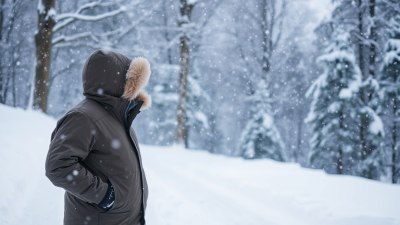
Image created with Flux Schnell
Winter is a season that brings along with it a mix of beauty and challenges. As temperatures drop and snow covers landscapes, many people find themselves grappling with various misconceptions about the cold. One of the most pervasive and humorous yet potentially harmful misconceptions is often referred to as the "It's Not That Cold" syndrome. This phenomenon reflects a widespread denial or underestimation of just how cold it really is, leading to poor preparation and sometimes risky decisions. But this is just one of many winter lies we tend to tell ourselves or hear from others during this chilly season.
Understanding the “It’s Not That Cold” Syndrome
The phrase "It’s Not That Cold" might sound like a simple excuse to skip a heavy coat or delay putting on gloves, but it represents something more significant psychologically. This syndrome describes how individuals dismiss the severity of winter cold, often attributing their discomfort to personal weakness rather than recognizing the environmental challenge. For instance, someone might step outside in 20°F (-6°C) weather wearing a light jacket, insisting to friends or even themselves that the conditions are mild, despite evidence to the contrary.
This behavior is a mix of cultural attitudes toward toughness, individual pride, and sometimes misinformation. People often equate enduring cold without complaint as a sign of resilience or masculinity. In some communities, especially those regularly experiencing harsh winters, being able to say "It's not that cold" can become a badge of honor that signals toughness to others.
However, denying how cold it really is can come with real drawbacks. Underestimating winter temperatures may lead to inadequate clothing choices, making one more vulnerable to frostbite, hypothermia, or simply an unpleasant experience. Additionally, it affects mental preparedness, impacting how people plan their activities, commute, or care for the elderly and children.
The Psychology Behind Winter Denial
Why do people deny cold severity despite evident discomfort? Psychological factors play an important role. Cognitive dissonance is one; when someone's previous behaviors or beliefs about the cold contradict their actual physical experience, they resolve this conflict by changing perception rather than acknowledging vulnerability. Saying "It's not that cold" helps maintain self-image and reduces anxiety about exposure risks.
Social conformity also influences this denial. When peers or the local culture expresses minimal concern about cold, individuals adopt similar attitudes. It's a form of social signaling—minimizing one's complaints about weather aligns with group norms, thereby enhancing acceptance.
Common Winter Lies Beyond Temperature Denial
Aside from the “It’s Not That Cold” syndrome, many other myths and misconceptions pervade winter understanding. These falsehoods can affect behavior, health decisions, and even the effectiveness of winter safety measures.
One frequent lie is the belief that cold weather itself causes colds and flu. While viruses are more common in winter, the cold temperature itself does not directly cause illness. Rather, close indoor contact facilitates the spread of germs. This misconception sometimes results in unnecessary discomfort watching or limiting outdoor activities unnecessarily.
Another widespread myth is that if you stay inside, you are safe from winter hazards. Although staying indoors can reduce exposure, it does not completely protect people from cold-related health risks or accidents related to ice or heating equipment. For example, carbon monoxide poisoning risk rises in winter due to faulty heating systems.
Many people also believe eating heavy, fatty foods is necessary to “fuel” the body against the cold. While calories do provide energy, consuming excessive unhealthy fats can lead to weight gain and metabolic problems, not enhanced cold resistance. Balanced nutrition with vitamins and hydration is more effective for winter health support.
There is also a common misunderstanding that shivering is the only or best way the body keeps warm. Although shivering generates heat through muscle activity, it is an inefficient and uncomfortable response. The body's best defense includes wearing appropriate layers, protecting extremities, and staying dry, which minimize the need for shivering altogether.
Health Implications of Ignoring Winter Realities
Winter lies like denying cold severity or false beliefs about illness risks can have very real health consequences. Hypothermia, a condition where body temperature drops below safe levels, can develop quickly if people are insufficiently dressed or exposed to wet, windy conditions for too long.
Frostbite is another danger, particularly for fingers, toes, nose, and ears. Without proper insulation and timely attention, frostbite can cause permanent tissue damage or loss. Unfortunately, people who suffer from “It’s Not That Cold” syndrome may delay putting on gloves or a hat until symptoms have begun.
Additionally, winter increases risks for cardiovascular problems. Cold weather causes blood vessels to constrict, raising blood pressure and potentially triggering heart attacks or strokes in vulnerable populations. Ignoring cold symptoms or not warming up properly after outdoor exposure exacerbates these hazards.
Practical Advice to Combat “It’s Not That Cold” and Winter Lies
Recognizing and accepting the reality of winter cold is the first step toward better safety and comfort. Wearing appropriate clothing in layers, including thermal underwear, insulated jackets, hats, scarves, and gloves, should be standard practice—no matter one’s subjective feeling of temperature.
Check weather forecasts regularly and heed wind chill warnings. Wind chill can make temperatures feel significantly colder than the air temperature alone and increase risks of frostbite and hypothermia rapidly.
Maintain a healthy diet rich in fruits, vegetables, and hydration to support immune function and warmth. Avoid relying solely on heavy or fatty foods as “fuel.”
Avoid prolonged exposure to cold environments without breaks in warm shelters. If you experience early signs of hypothermia such as uncontrollable shivering, slurred speech, or coordination difficulties, seek warmth immediately.
Encourage community awareness about winter safety, especially among children, the elderly, and those with chronic health conditions. Misconceptions about winter can be reduced by education and practical experience.
How Winter Lies Influence Culture and Daily Life
Beyond health and safety, the winter lies shape cultural narratives and social interactions. The “It’s Not That Cold” syndrome often frames how people bond over weather stories, influencing fashion choices and outdoor activities.
In many regions, winter festivals and sports hinge on embracing the cold rather than denying it. However, this can sometimes fuel the myth that braving extreme conditions without proper care is a point of pride, overshadowing sensible precautions.
Workplaces and schools may face difficulties when individuals push themselves beyond safe limits due to cultural pressures tied to cold tolerance. Understanding and dismantling harmful winter myths can promote healthier environments.
Technological and Architectural Responses to Winter Challenges
Modern innovations help mitigate harsh winter effects. Smart fabrics that regulate temperature, advanced insulation materials for homes, and improved heating systems directly challenge some winter lies by providing real comfort and safety.
Architecturally, designs incorporating passive solar heating, double-glazed windows, and airtight construction reduce energy needs and maintain indoor warmth efficiently. These advances remind us that acknowledging winter’s severity allows for better solutions rather than blind endurance.
The Role of Media and Education in Correcting Winter Misconceptions
Media outlets and educational programs play a crucial role in shaping public attitudes about winter. Accurate reporting on weather conditions, health advisories, and safety tips helps counteract the “It’s Not That Cold” syndrome and other falsehoods.
Schools can incorporate winter safety lessons into their curricula, teaching children the signs of cold-related illnesses and proper dress guidelines. Public health campaigns can use relatable language and community engagement to deconstruct dangerous myths and promote sound practices.
Social media further spreads winter narratives rapidly, sometimes with misinformation. Promoting credible sources and sharing personal stories about respecting cold realities can create peer pressure aligned with safety rather than denial.
Global Perspectives on Cold and Winter Myths
Different cultures experience and interpret winter in varied ways, which influences their winter myths. For example, Scandinavian countries, where severe cold is routine, integrate well-researched winter practices into daily life, reducing the prevalence of dangerous denial.
In contrast, regions with more moderate winters may experience a greater mismatch between expectations and actual cold risks, leading to more frequent “It’s Not That Cold” attitudes. Understanding these global differences enriches how we approach education and public health strategies.
The traditional dress, community behaviors, and early warning systems also vary globally, reflecting local adaptations to cold conditions. Learning from these diverse approaches offers opportunities to challenge winter lies everywhere.
Winter Lies in Urban vs. Rural Settings
Winter misconceptions manifest differently depending on context. In urban areas, central heating and infrastructure often give a false sense of security about cold’s impact, while outdoor exposure during commutes still poses risks.
Rural communities may be more attuned to winter’s harshness due to outdoor livelihoods such as farming and forestry. Yet cultural pride in toughness can sometimes exacerbate denial behaviors.
Access to emergency services, healthcare, and reliable weather information influences how winter lies form and are sustained in these different settings. Tailoring communication to each environment maximizes effectiveness in combating harmful myths.
Personal Stories Highlighting the Impact of Winter Lies
Many narratives from individuals reflect the consequences of underestimating cold. One widely shared story involves a group of hikers who ignored wind chill warnings, thinking “It’s not that cold,” resulting in a dangerous hypothermia risk scenario.
In families, elderly members often recount how earlier generations faced winter differently, sometimes believing that complaining about cold was a sign of weakness, contributing to neglect of symptoms.
Sharing these experiences creates empathy and awareness, helping others recognize the importance of respecting winter’s challenges rather than minimizing them.
Winter Lies and Children: Teaching Resilience without Denial
Children often emulate adult attitudes toward winter. If caregivers frequently use phrases like “It’s not that cold,” kids might dismiss genuine discomfort or ignore clothing advice. It is crucial to teach children to recognize their physical signals and prepare adequately for cold weather.
At the same time, encouraging a positive outlook—such as enjoying snow sports or winter festivals—builds resilience and appreciation for the season without downplaying risks.
Interactive activities like dressing dolls in winter gear or explaining weather forecasts in simple terms empower children with knowledge and competence toward cold environments.
Winter Lies in the Workplace: Safety and Productivity Considerations
Employees working outdoors or commuting face significant winter risks. Workplace policies need to address misconceptions that may cause workers to underdress or ignore symptoms of cold stress.
Employers should provide adequate protective clothing, allow for breaks in warm environments, and train employees to recognize early signs of cold-related health problems.
Ignoring winter realities can lower productivity due to illness and accidents, while fostering a culture of respect for weather conditions enhances safety and morale.
The Environmental Influence on Winter Perceptions
Climate change and fluctuating weather patterns have also affected how people perceive winter cold. Warmer winters in some areas lead to confusion and inconsistent preparedness, feeding “It’s Not That Cold” attitudes during occasional cold snaps.
At the same time, sudden harsh weather surprises populations accustomed to milder climates, increasing risks from winter lies. Public education must adapt to these evolving conditions with flexible guidance.
Environmental changes also highlight the importance of accurate data collection and communication to keep communities informed and ready.
Ultimately, confronting the “It’s Not That Cold” syndrome and related winter lies requires a mix of cultural change, education, technological advancement, and personal responsibility. Recognizing and respecting winter’s true nature protects health and enhances our enjoyment of this unique season.