The Invisible Force That Makes Snow Go Down the Back of Your Collar
Explore the surprising physics behind why snow sneaks into your collar and how to prevent it effectively.
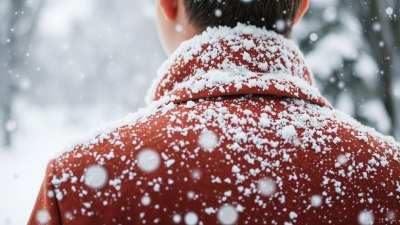
Snow falling softly is a common winter spectacle, enchanting many with its silent descent. Yet, beyond the serene imagery lies a curious annoyance familiar to anyone who spends time outdoors in snowy conditions: snow seems to have a mysterious way of finding its way inside your collar, down the back of your neck. This subtle infiltration can lead to discomfort, cold, and even chills. But what causes snow to behave this way? Is it mere chance or is there an invisible force at play influencing the path of those flakes?
Understanding the Behavior of Snowfall
To comprehend why snow often goes down the back of your collar, we first need to understand the nature of snowflakes and the conditions around a person outdoors. Snowflakes are tiny ice crystals that fall from the clouds, delicate but influenced heavily by environmental factors like wind, temperature, and the movement of the body they encounter.
As snowflakes descend, they don't simply fall straight down; they drift due to air currents, turbulence, and the interaction with objects in their path. When a person confronts snowfall, their body, posture, and clothing all influence how these flakes settle or slip past their protective layers.
The Role of Air Currents Around the Body
One invisible but crucial factor is the airflow created by your own movement and the natural wind conditions. When you walk through falling snow, the air is pushed aside by your body. This creates eddies and currents around your head, shoulders, and torso.
Specifically, at the back of the neck, these airflows can draw snowflakes downward. The shape of the human body – rounded shoulders, a neck protrusion – causes air to swirl and funnel around, effectively pulling snowflakes toward vulnerable spots like the collar area. This effect can be described through fluid dynamics, where moving bodies create areas of low pressure behind them, known as wake regions, which can “trap” particles such as snowflakes.
Body Heat and Temperature Gradients
Another crucial element is the heat your body emits. The skin and the warmth radiating from your neck interact with cold snowflakes. Interestingly, your collar is usually a boundary between warm skin and the cold outside air, creating a temperature gradient that can cause melting and refreezing, which might allow wet snow to slip more easily down the back of your collar and soak your clothing.
When snowflakes land on the warmer areas near your neck, slight melting occurs. The resultant moisture then facilitates the movement of snow or water droplets along your collar line. Gravity pulls these droplets downward, so they infiltrate the back of your collar more easily than other areas.
The Impact of Collar Design and Clothing Fit
The design of your outerwear collar can significantly affect how snow behaves on your neck. Collars that are low, loose, or not insulated well tend to leave gaps where snow can enter. A stiff, higher collar or those with waterproof, windproof fabrics serve as better shields against penetration.
Moreover, the fit of the clothing plays a role. If your jacket collar is loose or you are moving a lot, the repeated motion can create gaps or lift edges where snow can slide in. Jackets with adjustable collars or those with snug neck closures help create barriers preventing snow infiltration.
The Mechanics of Snow Slipping Down the Collar
When snow lands at the top of your collar or shoulders, the combined effect of gravity, body movement, and the nature of your collar fabric determine how it travels. Snowflakes on a slick synthetic or waterproof fabric might slide down more readily compared to wool or fleece materials, which can trap snowflakes but also absorb moisture.
Movement of the head and neck typically encourages snow to be pushed or slipped downward along seams or open spaces in the collar. Additionally, as the snow accumulates and melts slightly, the wetness can reduce friction between the fabric and snow or water, making it easier for the liquid to seep inside.
How Wind Direction and Speed Contribute
Environmental factors such as wind cannot be ignored. Wind speed and direction influence snow's trajectory wildly. When walking against the wind, snow impacts the front of your jacket mostly. However, if there is a gust or swirling breeze coming from behind or the side, it can propel snow toward the back of your collar.
In many snowy environments, winds swirl unpredictably around buildings, trees, and landscapes, creating microclimates that alter how snow falls even within a few steps. This explains why snow sometimes bypasses your scarf or front-facing barriers and sneaks into the back.
Preventing Snow Infiltration Down Your Collar
While the physics behind the phenomenon is complex, practical steps can minimize discomfort. First, choosing clothing with well-fitted, high collars that can be zipped or buttoned snugly helps block gaps. Materials with windproof and waterproof properties provide an extra layer of defense.
Layering with scarves or neck gaiters is another effective method. Wearing something soft and close around your neck creates a barrier to trap snow or water and prevent it from reaching your skin or the inside of your collar. However, proper fit is important to ensure snow doesn't simply accumulate and drip later.
Additionally, wearing hoods can deflect snowflakes from direct contact with the neck collar. Hoods create a physical shield that prevents snow landing in vulnerable spots. Combine this with a hat or beanie under the hood for added warmth and protection.
Behavioral Tips to Keep Snow Out
Beyond clothing, the way you move and position yourself in snowfall can impact how much snow gets down your collar. Tilting your head slightly downwards when walking in a snowfall can reduce the exposed surfaces at the neck. Avoiding sudden movements that lift your collar or scarf can also prevent gaps where snow intrudes.
Moreover, periodically brushing snow off your shoulders and collar can reduce accumulation that might otherwise slip in as you move. This simple action prevents excessive buildup that can eventually seep inward as moisture.
Scientific Studies and Observations
While the topic might seem trivial, certain studies in biometeorology and clothing science have addressed related issues concerning moisture ingress and comfort in cold weather. Researchers analyze airflows around the body and how clothing interfaces with environmental elements like snow, sleet, and rain.
Findings often highlight the importance of microclimates between clothing layers, airflow disruption caused by garment design, and the physical movements of the wearer. These insights scientifically back up anecdotal observations about snow behavior around collars.
Historical Perspectives on Winter Clothing
Historically, winter attire was designed with the challenge of preventing snow and cold air from reaching the skin in mind. For example, traditional Inuit clothing uses high collars combined with hoods crafted from animal skins designed to shed snow and ice efficiently.
Similarly, early Arctic explorers’ gear focused on sealing neck areas to protect against wind-driven snow. Over time, modern technology has enhanced these principles through synthetic materials and design improvements, yet the basic challenges remain.
Cultural and Everyday Implications
In everyday life, the problem of snow going down the collar influences personal comfort, health, and safety. Prolonged exposure to moisture and cold at the neck can lead to chills or even sickness. Hence, understanding and mitigating this invisible force benefits practical winter living.
Sports and outdoor activities in snowy conditions often emphasize gear designed to prevent moisture entry. Ski jackets, snowboarding gear, and mountaineering apparel incorporate features like powder skirts, tight-necked collars, and breathable water-resistant fabrics to handle these challenges.
Innovations in Fabric and Design
Technological advances continue to improve the battle against snow infiltration. Fabrics with hydrophobic coatings repel water and snow, reducing moisture absorption and dripping. Seamless or taped seams prevent gaps where snow can sneak in. Ergonomic design focuses on movement patterns to reduce collar gaps during active motion.
Some outerwear now includes adjustable neck closures with Velcro, snaps, or magnetic fasteners that provide customizable snugness, enhancing barrier efficiency without sacrificing comfort.
Environmental Factors and Changing Climate
As climate patterns shift, snowfall characteristics and winter conditions vary more widely, influencing how snow interacts with clothing. Warmer winters with melting snow can increase moisture-related issues, making collar moisture management even more critical.
In regions experiencing frequent wet snow or sleet, the infiltration down the back of the collar might be more common due to the mixture of precipitation and greater moisture retention in fabrics.
Applying Knowledge For Better Winter Experiences
By grasping the physics and environmental dynamics behind snow going down your collar, individuals can make informed choices about clothing and behavior. Selecting suitable outerwear, understanding wind and movement impacts, and employing simple protective measures together reduce discomfort and enhance enjoyment in snowy conditions.
Ultimately, being aware of these invisible forces encourages smarter preparation, leading to warmer, drier, and more pleasant winter outings.