The Eternal Struggle: Dressing for Indoors, Outdoors, and Unexpected Wind
Master the art of dressing for changing environments, balancing comfort and style indoors, outdoors, and against sudden wind.

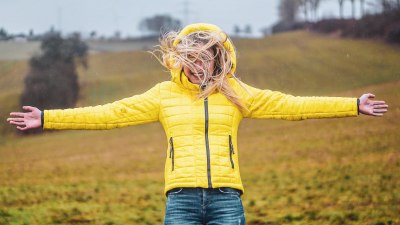
Image by lookstudio on Freepik
Balancing the demands of various environments when choosing your outfit can often feel like navigating a complex labyrinth. One of the most persistent challenges in daily dressing is preparing for the trifecta of indoors, outdoors, and those surprising gusts of wind that catch us off guard. This eternal struggle requires a strategic approach to clothing, fabrics, layering, and accessories to maintain comfort and style throughout the day.
Whether you're heading out for a casual day, a professional meeting, or an outdoor event, understanding how to dress for fluctuating conditions is essential. It goes beyond simply choosing warmer clothes or lighter fabrics; it involves anticipating environmental changes and adapting your wardrobe accordingly.
Understanding the Environment: Indoors vs. Outdoors
Indoor environments often maintain controlled temperatures providing comfort that can range from cool air conditioning to heated spaces during winter. Meanwhile, outdoor conditions are subject to the whims of nature—sunlight, rain, humidity, and especially wind. Successfully dressing for both means considering layers and fabric choices that handle temperature variations smoothly.
Indoor spaces like offices, restaurants, or homes typically have stable climates. Air conditioning might make rooms cooler than expected, especially in summer, prompting the need for something extra like a light cardigan or blazer. On the other hand, outdoor spaces can be unpredictable. Sun exposure can raise the perceived temperature, while the sudden arrival of wind can quickly turn warmth into chilliness.
Key Fabrics for Adaptability
Fabric selection is critical when aiming for versatility. Natural fibers such as cotton, wool, and linen offer breathability and comfort indoors but perform differently outdoors. Cotton is soft and breathable but tends to retain moisture and lose heat quickly once damp, which may be problematic with wind exposure. Wool provides excellent insulation and can repel moisture to some extent, making it ideal for cooler conditions both inside and out. Linen excels in hot, dry climates but wrinkles easily and doesn't protect well against wind chill.
Synthetic fabrics such as polyester and nylon often have moisture-wicking properties and resist wind better than many natural fibers. Lightweight windbreakers made from such materials can block gusts without bulk, making them perfect for unexpected weather changes.
Layering: The Foundation of Weather-Ready Styling
The concept of layering is fundamental to adjusting to fluctuating environments. Layers allow you to add or remove clothing as temperatures change, providing comfort without sacrificing appearance. Start with a base layer that manages moisture, like a fitted cotton tee or heat-regulating synthetic shirt. Add a middle insulating layer, such as a lightweight wool sweater or fleece, that can trap warmth when needed. Finally, the outer layer serves as a shield against the elements, such as a windproof jacket or raincoat.
When indoors, you can remove the outer layer to avoid overheating. For outdoors, especially on breezy days, all layers can be combined for optimal protection. This modular approach gives you flexibility, ensuring you are prepared whether you're in a cold office or on a windy street.
Finding the Right Outerwear
Outerwear is the most visible and functional piece in confronting outdoor challenges. A versatile jacket or coat can provide insulation, wind resistance, and sometimes water repellence, making it an indispensable garment. For transitional seasons like spring and fall, lightweight windbreakers or trench coats work well. For colder months, insulated parkas or wool coats with windproof linings are key choices.
A windproof jacket doesn't have to be bulky. Modern fabrics allow for slim silhouettes that retain style while defending against penetrating gusts. Features such as adjustable cuffs, high collars, and hidden hoods enhance protection and adaptability without compromising on aesthetics.
Footwear Choices for Varied Conditions
While much focus centers on upper body attire, footwear also plays a vital role in dealing with indoor and outdoor scenarios. Indoors, shoes should be comfortable and breathable to prevent overheating. Outdoors, protection from damp ground, uneven surfaces, and windy conditions must be considered.
For unexpected wind and mild cold, boots with insulation and waterproof features are ideal. They keep feet warm and dry while providing stability. In warmer weather or indoor settings, breathable sneakers or loafers suffice. Investing in versatile footwear that can transition easily from inside to outside enhances overall comfort.
Accessories: The Unsung Heroes
Accessories may seem minor but they significantly affect your readiness against environmental shifts. Scarves, hats, gloves, and sunglasses not only add style but function as layers of protection. A lightweight scarf can shield your neck from chilly winds or add a splash of color to your outfit indoors. Hats protect against sun and wind, while sunglasses defend your eyes from glare and flying debris.
Choosing accessories made from thermoregulatory fabrics ensures they contribute to comfort without overheating. Compact items like foldable hats or gloves stored in a bag enable quick response to sudden weather changes.
Practical Tips for Dressing Smart
1. Opt for layered outfits that you can adjust during the day.
2. Prioritize fabrics that breathe yet protect against wind.
3. Select outerwear with functional features like windproofing and adjustability.
4. Coordinate footwear based on indoor comfort and outdoor durability.
5. Carry versatile accessories to enhance both comfort and style.
6. Check weather forecasts but be prepared for unexpected changes.
7. Avoid overly tight or restrictive clothing to allow easy layering and movement.
8. Choose neutral colors and classic designs for maximum adaptability across settings.
Addressing Common Challenges
Many face the dilemma of overheating indoors while feeling cold outdoors, especially during transitional seasons. One key is to embrace the 'core temperature' concept—keeping the central body warm to maintain overall comfort while allowing extremities some flexibility. Lightweight insulating layers focused on the torso can achieve this balance.
Another challenge is dealing with sudden gusts of wind that can penetrate seemingly warm outfits. To counter this, windproof fabrics and well-sealed outerwear edges (cuffs, collars, hems) are essential. Investing in quality wind-blocking garments is a practical long-term solution.
Styling Without Sacrificing Functionality
Balancing functionality with fashionable appeal may seem daunting but is entirely achievable. Choose clean lines and tailored fits to avoid bulk while ensuring adequate layering space. Mixing textures—like pairing smooth synthetic outerwear with soft wool inner layers—adds visual interest without compromising performance.
Color choices can also reflect adaptability. Darker hues tend to retain heat and resist showing wear, while lighter colors can reflect sunlight and keep you cooler when outdoors. Depending on your preferences and climate, mixing and matching these elements allow for an outfit that is both seasonally appropriate and stylish.
Case Scenarios: Practical Application
Imagine a typical day starting in a cool, air-conditioned office. You might wear a breathable base shirt, a light wool sweater, and a trench coat. Your choice of tailored trousers and comfortable loafers completes the look. Carry a foldable scarf and sunglasses for later outdoor walks.
When leaving the office, you can add your trench coat to repel wind and adjust the scarf to protect your neck. If a sudden gust hits, your adjustable cuffs and high collar keep you comfortable. Upon entering a warmer café, the trench coat can be removed, leaving you stylish and relaxed.
On weekends, layering a moisture-wicking shirt, fleece jacket, and windproof shell prepares you for unpredictable weather during hikes or city strolls. Sturdy boots provide stability on uneven paths. Accessories like a sunhat and gloves stored in your backpack ensure you are ready for both sun and wind without bulk.
The Role of Technology in Modern Fabrics
Advancements in fabric technology have dramatically improved the options available for multi-environment dressing. Materials that are lightweight yet insulating, breathable yet water-resistant, and windproof yet stretchable have become mainstream. These innovations allow for clothing that adapts dynamically to temperature and weather changes, giving wearers greater comfort without sacrificing mobility or style.
Many manufacturers incorporate membrane layers that block wind and moisture while permitting air circulation. Others use phase-change materials that store and release heat based on body temperature and external conditions. Such fabrics make dressing for indoors, outdoors, and wind not only manageable but comfortable and even enjoyable.
Planning Your Wardrobe Around Versatility
When organizing your wardrobe, consider pieces that serve multiple functions rather than single-purpose items. A quality windproof jacket can also be your go-to layer for evening events or travel. Sweaters with strategic ventilation zones offer warmth without overheating. Shoes suitable for both office and casual outings reduce excess baggage.
Investment in versatile staple items, combined with expressions of personal style through accessories or seasonal color palettes, creates a fluid wardrobe that meets the challenges of fluctuating environments head-on.
Mindset: Preparing for the Unexpected
Ultimately, dressing well for indoors, outdoors, and wind involves a mindset of anticipation and adaptability. Embrace the idea that discomfort can be mitigated through thoughtful choices and preparedness. Carrying an extra layer or accessory shouldn't be seen as a burden but rather a smart strategy.
This approach goes beyond clothing and touches on lifestyle habits. Monitoring weather conditions regularly, selecting adaptable outfits, and learning how to mix and match effectively become second nature. Over time, what once felt like an eternal struggle transforms into a seamless routine.
Balancing practical needs and aesthetic desires is the key to winning the battle against fluctuating temperatures and unpredictable winds. It's an art that blends understanding, innovation, and personal style to create outfits that perform under diverse conditions.
By mastering fabric selection, layering, accessorizing, and choosing versatile pieces, individuals can confidently navigate the challenges that arise from moving between indoor comfort and outdoor elements. The constant presence of wind need not cause anxiety if met with well-considered windproof garments and protective accessories.
In sum, the eternal struggle simplifies into a manageable and rewarding endeavor when approached with knowledge and care. From early morning commutes to evening gatherings, dressing appropriately for indoors, outdoors, and unexpected wind offers both comfort and sophistication in daily life.