The Art of Walking Like You’re Not Slipping (But You Are)
Master the subtle art of walking confidently while slipping with expert tips and humor to avoid embarrassment in icy or slick conditions.
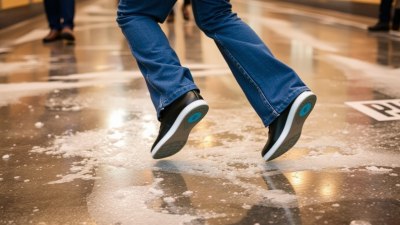
Image created with Flux Schnell
Walking is a mundane activity most of us take for granted, a simple task performed thousands of times daily without much thought. Yet, there exists a particular challenge that humbles even the most graceful: slipping while walking. Whether on icy sidewalks during winter or slippery floors after a spill, slipping disrupts our confidence and risks injury. But what if you could master the art of walking like you’re not slipping—even when you actually are? This unexpected skill combines balance, timing, and a dash of psychology, turning embarrassment into a quirky performance.
Slipping is inherently involuntary and often sudden, triggered by low friction surfaces causing loss of traction between shoes and ground. When slip occurs, the body naturally tries to correct balance, usually producing an awkward flail or stumble. Though unavoidable at times, how you respond and carry yourself during a slip can fundamentally shift the outcome. By emulating a composed stride despite the skid, you maintain control and minimize risk.
Understanding the Mechanics of a Slip
Before diving into tricks and techniques, understanding what happens during a slip is essential. A slip occurs when the horizontal force applied by the foot exceeds the available friction force holding the foot in place. This can happen on ice, wet surfaces, or any area with reduced grip. The body’s center of mass moves in an unexpected direction, causing instability.
The body’s reflexes kick in—muscles tense, arms swing for balance, and the foot may slide forward or sideways involuntarily. The key to acting like you’re not slipping is to harness these natural muscular reactions but channel them smoothly instead of panicky flails.
Step One: The Right Footwear and Preparation
Your defense against slipping begins before the slip even occurs. Choosing footwear with good grip—such as rubber soles with treads rather than smooth leather—dramatically reduces slip risk. Preparing your walk by observing surface conditions also helps. Approaching an icy patch with conscious slow steps or adjusting your gait reduces sudden slips.
Wearing shoes that fit well and provide support enhances balance, making recovery from potential slips easier. Consider layering your socks for added insulation and grip when venturing into cold, icy environments. Lastly, avoid distractions like phones or uneven loads on your person to maintain full attention on footing.
Step Two: Mastering the Subtle Slip Recovery
When slipping starts, don’t panic. Instead, use a combination of small corrective movements and confidence in your stride to mask the slip. The core idea involves absorbing the slip without letting your entire body give away the loss of traction.
If your foot begins to slide forward unexpectedly, slightly bend the knee to lower your center of gravity and extend your arms gently for balance. Instead of abrupt arm flailing, make subtle downward or sideways arm movements, as if casually adjusting balance on uneven ground. Leaning your body subtly forward or sideways in the direction of the slip, then recovering a neutral stance, signals control.
Timing matters—a quick, smooth transfer of your body weight from the slipping foot to the other foot can restore balance fluidly. Think of this as a graceful dance move rather than a frantic scramble. Practicing these movements consciously on safe surfaces prepares your muscles and brain to react less dramatically.
The Psychological Aspect: Confidence Is Key
Walking like you’re not slipping requires confident body language. Even if you feel alarmed inside, your external composure influences how others perceive your slip and how you regain your own balance.
Keep your head up and eyes forward, maintaining a purposeful stride. Avoid looking down at your feet fixatedly, which may invite self-doubt or actual missteps. A slight smile or neutral facial expression helps convey control, even when feet betray the surface.
Confidence also affects muscle tone. Tensed muscles spasm awkwardly during slips, while relaxed yet engaged muscles respond more smoothly. Relaxation exercises or deep breathing can aid in cultivating calm readiness when moving over potentially slippery terrain.
Step Three: Practice Your Slip-Avoidance Stride
Walking on ice or slick floors often requires a deliberate gait change. Shortening your step length while increasing cadence (number of steps per minute) stabilizes your posture. A shorter stride keeps your center of mass more centered over your foot, while increased steps prevent prolonged slips.
Focus on placing your foot flat down with even pressure rather than heel-to-toe gliding, which can provoke imbalance. This technique, called a “flat-footed stride,” reduces sudden shifts of weight that cause slipping.
Practice walking indoors on polished or tiled floors and simulate slips gently, then use your arms and hips to correct without panicking. Slow-motion repetition ingrains muscle memory essential for slipping gracefully when unplanned.
Step Four: The Art of Misdirection
When slipping is unavoidable, a little theatrical misdirection can save face. Subtle arm swings or a casual step adjustment can throw off observers, making it appear like a deliberate movement rather than a loss of balance.
Try to imitate the natural shifts people make when navigating uneven terrain—slight swaying motion or step hesitation. Toss in a relaxed nod, quick glance, or switch in pace as if adjusting to a new walking rhythm. This psychological trick convinces onlookers you’re in control.
Some people even use a quick “heel tap” or foot shuffle to fake stabilization steps, camouflaging actual slipping under normal walking variations. These small theatrical cues can transform potential embarrassment into a moment of playful charm.
Step Five: Fall Gracefully If Needed
Despite best efforts, a slip may progress into a fall. Falling gracefully minimizes injury and retains dignity. If you start losing balance entirely, tuck your chin to protect your head, and aim to land on fleshy parts of your body—like your side or buttocks—rather than rigid bones.
A controlled fall with rolled shoulders and bent limbs distributes impact evenly. Training in fall techniques from disciplines like martial arts or gymnastics helps build muscle memory to react safely.
Standing back up calmly without rushing or apologizing profusely maintains the artful illusion that mishap never disturbed your composure.
Practical Tips for Different Slip Conditions
Each slippery situation requires tailored responses:
Ice: Walk slowly with small steps and flat-footed placement. Keep hands out of pockets to use arms for balance.
Wet Floors: Spot wet patches and adjust stride by slowing down and lengthening contact time to enhance grip.
Slick Surfaces (like polished tiles or hardwood): Use rubber-soled shoes and activate core muscles for steady hips and torso alignment.
Improving Balance Through Exercises
Enhancing overall balance reduces slipping risks and aids recovery. Exercises include:
Single-leg Stands: Stand on one foot for 30 seconds, then switch. Improves ankle stability.
Heel-to-Toe Walks: Walk toe-to-heel in a straight line to develop foot coordination.
Core Strengthening: Planks and abdominal workouts stabilize the torso during slips.
Regularly incorporating these exercises builds proprioception, the body’s awareness of position and movement—key to slip recovery.
The Role of Environmental Awareness
Awareness reduces slip likelihood drastically. Pay attention to surface textures, weather conditions, and footwear tread wear. Avoid walking on unexpected slick patches and use handrails when possible.
When conditions worsen, opt for alternative routes with better footing or travel aids like walking sticks or spiked shoe grips.
Slipping Humor and Social Interactions
Slipping moments can become lighthearted if met with humor. Laughing off a small mishap diffuses tension and makes you relatable. Sharing stories or jokes about classical slips creates social bonds.
However, always gauge context—safety is priority, and excessive joking in hazardous areas can distract others.
The art of walking like you’re not slipping involves proactive preparation, understanding slip mechanics, controlled recovery movements, confident body language, and subtle misdirection. By combining scientific principles of balance with practiced poise, slipping moments can become less perilous and more manageable.
Mastering these techniques enhances personal safety and social grace in environments where slick surfaces challenge mobility. Whether navigating icy sidewalks in winter or polished floors indoors, adopting this nuanced skill turns a common hazard into an opportunity for quiet dominance over the unpredictable.