Is There Life After Stepping in a Slush Puddle With Winter Boots?
Explore whether winter boots survive slush puddle encounters and learn tips to keep them in top shape during wet winter days.
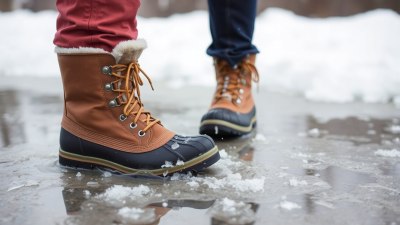
Image created with Flux Schnell
Winter often brings a mix of snow, ice, and the inevitable slush puddles that can challenge even the toughest winter boots. Many wonder, "Is there life after stepping in a slush puddle with winter boots?" In other words, can these boots endure the wet, cold conditions without damage, or is it time to retire them after a single soak? This article delves deep into how winter boots react to slush, longevity factors, and care tips to prolong their lifespan.
Understanding Winter Boots and Their Purpose
Winter boots are specifically designed to shield feet from cold temperatures, moisture, and slippery conditions. Common features include waterproof membranes, insulation materials like Thinsulate or shearling, and rugged soles for traction. The goal is to keep feet warm and dry during harsh weather, but when faced with slush—a semi-frozen mix of water and snow—the boots are put to the ultimate test.
Not all winter boots are created equal. Some are built primarily for style, with minimal protection, while others are engineered for extreme outdoor use. The effectiveness of a boot in wet slushy conditions largely depends on its construction, materials, and waterproof capabilities.
Types of Winter Boots and Their Response to Slush
There are several types of winter boots, including insulated snow boots, waterproof hiking boots, and casual winter shoes. Their response to slush can vary significantly:
- Insulated snow boots: Typically feature thick waterproof shells and dense insulation. They generally resist slush intrusion well but may become heavy if exposed for long periods.
- Waterproof hiking boots: Designed to repel water with Gore-Tex or similar membranes, these boots handle slush effectively but may lack the insulation of dedicated snow boots.
- Casual winter boots: More fashion-oriented and may lack adequate waterproofing. Slush exposure can quickly penetrate the boot, leading to wet, cold feet and possibly damage over time.
Hence, whether winter boots survive slush puddles depends on both quality and construction.
Potential Consequences of Stepping in a Slush Puddle
While stepping into slush may seem harmless, repeated or prolonged exposure can cause several issues for winter boots:
- Water infiltration: If waterproof membranes are compromised or absent, moisture can seep into the inner lining and insulation, reducing warmth and comfort.
- Material damage: Leather, suede, and some synthetic fabrics may degrade faster when constantly wet without proper care.
- Odor development: Moisture trapped inside boots creates an ideal environment for bacteria and mold, resulting in unpleasant smells.
- Structural weakening: Prolonged dampness can affect adhesives and seams, potentially causing the boots to lose shape or fall apart.
Nevertheless, none of these are necessarily immediate death sentences for your boots if prompt and proper care is applied.
How to Assess if Your Winter Boots Have Survived a Slush Encounter
After stepping in slush, it's important to check your boots thoroughly to determine if any damage has occurred. Here are some assessment steps:
- Exterior inspection: Look for visible signs of wetness, staining, or cracking especially around seams and joints.
- Interior feel: Remove the insoles (if possible) and touch the lining. If damp or cold, your boots have likely absorbed moisture.
- Odor check: Notice any unusual or musty smells inside the boots.
- Sole and grip condition: Inspect soles for wear or detachment that could have happened when stepping in slush debris.
Depending on your findings, you can determine how much care or repair your boots require to survive future winter strolls.
Essential Care Tips for Boots After Slush Exposure
Boots don’t have to suffer irreversible damage after a slush puddle encounter. With timely attention and proper maintenance, you can extend their life significantly. Consider these care steps:
- Dry thoroughly: Remove wet liners and insoles. Allow boots to air dry at room temperature. Avoid direct heat sources that can warp or crack materials.
- Clean off salt and dirt: Use a soft brush and damp cloth to gently remove residues. Salt from road treatments can be especially corrosive for leather.
- Apply waterproofing treatments: Once dry, apply sprays, waxes, or creams suited for your boot’s material to reinforce water resistance.
- Use boot trees or stuff with newspaper: Helps maintain shape and absorbs additional moisture.
- Deodorize: Sprinkle baking soda or use specialized shoe deodorizers to combat odors and bacteria.
- Inspect regularly: Look for early signs of wear, loose stitching, or sole separation and repair promptly.
Choosing the Right Winter Boots to Avoid Slush Puddle Problems
Prevention is always better than cure. Investing in quality boots designed for wet winter conditions will save frustration and expense over time. When shopping for winter boots consider these features:
- Waterproof materials: Look for Gore-Tex, rubber, or treated leather uppers.
- Solid insulation: Choose appropriate insulation thickness based on your climate to maintain warmth without sweating.
- Sturdy sole with traction: Essential for slippery or wet terrain.
- Seam sealing: Ensure boots have fully sealed seams to prevent water ingress.
- Comfort and fit: Properly fitted boots reduce friction which can deteriorate fabric faster.
By selecting boots with these qualities, the chance of irreversible slush damage is greatly diminished.
Winter Footwear Alternatives to Consider
If facing frequent slushy conditions is unavoidable, consider these additional footwear options:
- Rubber boots: Waterproof and easy to clean, ideal for heavy slush but typically less insulated.
- Shoe covers or gaiters: Can be worn over regular boots to protect from slush intrusion.
- Insulated waterproof trail shoes: Offer flexibility and protection for less severe snow and slush encounters.
These choices can complement your main winter boots or serve as backups for particularly soggy days.
Repairing Damage Post Slush Exposure
Sometimes slush puddle encounters lead to damage requiring repair. Common fixes include:
- Re-waterproofing: Application of durable water repellent sprays or wax to restore protective barriers.
- Stitching repair: Re-stitching loose or broken seams helps keep boots waterproof and structurally sound.
- Sole replacement or reattachment: Resoling can extend life for boots with worn or separated soles.
- Conditioning leather: Use specialized oils or conditioners to restore suppleness and prevent cracking.
Consult professionals for major repairs to ensure boots are correctly restored.
Signs That It’s Time to Replace Your Winter Boots
Despite best efforts, winter boots do wear out eventually. Replace boots when you notice:
- Persistent water leaks despite treatments.
- Cracked or deteriorating uppers that no longer reach waterproof standards.
- Worn soles with zero traction.
- Damaged insulation that no longer keeps feet warm.
- Discomfort caused by boot deformation or wear.
Choosing new durable boots will improve comfort and safety, especially in challenging winter weather.
Stepping into a slush puddle with winter boots is not necessarily the end of their usefulness. The boots’ quality, design, and waterproof features strongly influence their resilience to wet, slushy conditions. Prompt cleaning, drying, and maintenance after exposure can greatly extend the life of your winter boots. Employing proper care and selecting footwear suitable for your environment will ensure your boots remain effective, warm, and comfortable throughout winter’s wettest days. Ultimately, winter boots can survive slush puddles and still provide years of reliable service if treated right.