How Winter Turns Small Hills Into Extreme Sports
Discover how winter transforms modest hills into thrilling venues for extreme sports enthusiasts seeking adventure and adrenaline.
Winter’s arrival brings a dramatic transformation to the landscape, especially to those small hills that dot many regions. While these hills may seem ordinary during warmer months, the cold season turns them into epicenters of extreme sports, attracting athletes and adventurers eager to harness the season’s unique challenges. The phenomenon of small hills becoming hubs for extreme winter sports is a striking reminder of how nature and human creativity combine to push the boundaries of physical activity.
The process begins as temperatures drop and snow blankets these modest elevations, altering their appearance and usability. Snow acts as a natural cushion and a medium for various sport disciplines, ranging from skiing and snowboarding to sledding and snowkiting. What might be a gentle slope in spring can become a steep, slippery playground in winter, demanding skill, courage, and sometimes specialized equipment.
Understanding how winter conditions convert these landscapes into arenas for extreme sports requires an exploration of the physical changes and the types of activities they inspire. Snow’s texture and consistency vary depending on factors like temperature, humidity, and wind, which in turn affects the difficulty and nature of the sports practiced. For instance, icy and hard-packed snow challenges athletes’ balance and control, while soft powdery snow offers a different kind of thrill, cushioning falls but requiring more effort to navigate.
The Science Behind the Transformation
Small hills become playgrounds for extreme sports through a combination of meteorological and physical effects. As moisture in the air condenses and freezes, snow accumulates to varying depths based on elevation, exposure, and prevailing winds. This layered snowpack can alter the hill’s contours, sometimes smoothing out minor irregularities and at other times creating ridges and jumps naturally sculpted by the elements.
Temperature fluctuations around freezing point cause freeze-thaw cycles that further modify the surface. Sunlit areas may develop a crusty layer of ice while shaded parts remain powdery, creating a patchwork terrain that is challenging for enthusiasts. These conditions demand adaptability from athletes, who must read the snow’s characteristics and react accordingly. Moreover, snow’s insulating properties protect the underlying ground, enabling consistent conditions that extend the sporting season.
Popular Winter Extreme Sports on Small Hills
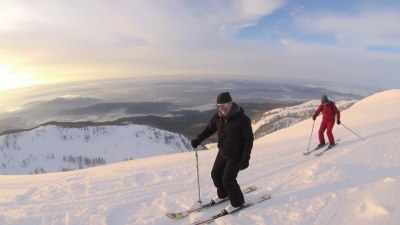
Several disciplines thrive on the winterized versions of small hills. One of the most prominent is skiing, including alpine skiing for novices and experts alike. The accessibility of small hills makes them ideal for beginners learning foundational skills or for freestyle skiers seeking terrain parks custom-built with rails, jumps, and halfpipes.
Snowboarding similarly benefits from these transformed landscapes. The compact size of small hills often encourages creativity, leading to innovative tricks and maneuvers that larger resorts might find less practical. The tight turns, quick drops, and natural jumps provide a challenging environment that hones agility and technical skill.
Sledding, a less technical but equally thrilling activity, turns simple hills into exhilarating courses. Extreme sledding has emerged as a sport where participants navigate difficult descents at high speed, sometimes combining jumps and obstacles. These events highlight the versatility of small hills and appeal to a wide range of ages and skill levels.
Snowkiting, where athletes use kite power to glide over snow and ice, also finds a niche on these hills. While it traditionally occurs on flat expanses, the presence of small slopes allows for dynamic gains in elevation, enhancing the sport’s excitement with uphill starts and aerial tricks off small natural ramps.
Equipment Innovation for Winter Hill Sports
The rise of extreme sports on small hills has driven innovation in equipment design tailored for diverse winter environments. Skis and snowboards have evolved to cater to variable snow conditions, with flexible shapes and materials that optimize control on unpredictable terrain. Bindings have become more adjustable and durable to ensure both performance and safety.
Sleds and toboggans have also undergone a transformation, incorporating lightweight materials such as carbon fiber and aerodynamic designs that improve speed and maneuverability. Extreme sledders use specialized helmets and protective gear to mitigate the risks posed by high velocity and challenging courses.
For snowkiters, kites feature advanced fabrics and control systems enabling precise handling even in highly variable wind conditions typical of small hill areas. These improvements allow athletes to exploit terrain features effectively, turning the once gentle hills into launch ramps and landing zones for complex tricks.
Community and Culture Around Winter Hill Sports
The aggregation of enthusiasts around these winter hill sports fosters vibrant communities that celebrate outdoor adventure, athleticism, and innovation. Small hills become meeting grounds for local clubs and international visitors alike, sharing knowledge, techniques, and passion. Social media and online platforms amplify the reach and impact of these communities, leading to organized competitions, festivals, and training sessions.
The cultural significance of winter extreme sports on small hills goes beyond recreation; it impacts tourism and local economies. Regions with reliable winter weather and accessible hills often develop ski schools, equipment rental shops, and hospitality services centered around these seasonal activities. This economic ripple effect supports rural development and encourages environmental stewardship to maintain the quality and safety of these natural venues.
Risks and Safety Considerations
Despite the thrill and beauty of winter extreme sports on small hills, participants must remain vigilant regarding safety. The very conditions that create dynamic sporting arenas—such as icy patches, hidden obstacles beneath the snow, and rapid weather changes—pose significant hazards. Wearing proper protective gear including helmets, gloves, and padded clothing is essential.
Proper preparation involves assessing the hill’s condition before engaging in activities and respecting personal limits to avoid accidents. Emergency services and rescue protocols are increasingly important, especially as the popularity of these sports grows. Many communities now offer training in first aid and winter survival skills as part of their sport education programs.
Environmental Impact and Sustainability
The expansion of extreme sports on small winter hills raises important questions about environmental impact and sustainability. Increased foot traffic and infrastructure development—such as lifts, snow grooming machines, and artificial lighting—can disrupt local ecosystems and wildlife habitats. Responsible practices are necessary to balance recreational use with conservation efforts.
Many organizations advocate for low-impact activities and the use of eco-friendly materials and energy sources in supporting winter sports. Participants are encouraged to follow Leave No Trace principles, including packing out waste and minimizing soil disturbance. Awareness campaigns also promote respect for flora and fauna, recognizing the sensitivity of alpine and subalpine environments.
Furthermore, climate change presents a long-term challenge. As global temperatures shift and snow reliability becomes less predictable, small hills may face shortened winter seasons. This threat motivates innovation in snowmaking technology and adaptive sport practices that strive to maintain winter sports traditions while mitigating ecological footprints.
Future Trends in Extreme Winter Hill Sports
Looking ahead, extreme winter sports on small hills are poised to develop with advances in technology, training, and community dynamics. Virtual reality and augmented reality tools may enhance training by simulating complex terrain and conditions, providing athletes with better preparation and injury prevention methods. Drones are increasingly used in video capture and safety monitoring, enriching both sport experience and documentation.
There is also a growing trend toward hybrid sports that combine elements of multiple disciplines, such as ski-boarding or kite-assisted snowboarding. These hybridizations encourage creativity and broaden access to winter sport opportunities. Adaptive sports for people with disabilities are gaining prominence, ensuring inclusivity in the extreme sports community.
Small hills will continue to be critical venues due to their accessibility and natural appeal. As communities innovate to enhance infrastructure while protecting the environment, these sites will maintain their status as indispensable playgrounds for winter enthusiasts who thrive on challenge and excitement.
Ultimately, the transformation of small hills every winter into arenas for extreme sports exemplifies nature’s capacity to inspire human endeavor. It is a dynamic interplay of geography, climate, and culture that turns simple slopes into arenas for exhilarating feats, lifelong passion, and shared memories.