How Two Inches of Snow Shut Down an Entire Country
Discover how just two inches of snow can disrupt a nation's daily life, economy, and infrastructure in surprising ways.
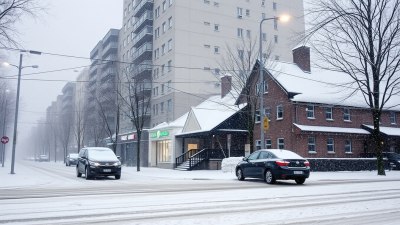
Snow might be a common natural occurrence in many parts of the world, but when just two inches of it falls in an unexpected place or time, the results can be surprisingly disruptive. One such event where a mere two inches of snow paralyzed an entire country tells a fascinating story about infrastructure, preparedness, and human response to nature's challenges.
On a seemingly ordinary winter day, a light snowstorm blanketed the streets with only about two inches of snow. While in many northern countries this would barely raise an eyebrow, in this particular nation — unaccustomed to such weather conditions - the snowfall effectively brought daily life to a grinding halt. This small quantity of snow revealed vulnerabilities that went far beyond simple weather forecasts.
The country's geography and climate had historically spared it from heavy snowfalls, leaving little incentive for municipalities to invest heavily in snow removal equipment or infrastructure designed for icy conditions. Roads were predominantly maintained for rain, not snow, and the citizens had minimal experience driving on slick surfaces. When the snow began, it quickly accumulated on untreated and unsalted roads; the cold temperatures caused the slush to freeze and turn into black ice, which proved treacherous for commuters.
Transportation Ground to a Halt
One of the earliest and most noticeable impacts was on transportation. Public buses struggled to maintain their routes on slippery roads. Cars stalled or skidded off the streets, causing numerous minor crashes and traffic jams. With insufficient snow plows and salt spreaders, the city's road clearing efforts were overwhelmed within hours.
The national airport faced major operational challenges as well. With the unexpected snowfall and limited runway clearing capacity, flights were delayed or canceled, stranding travelers and disrupting cargo shipments. Train services, while less affected by road conditions, still experienced delays due to signal malfunctions caused by freezing conditions and snow on the tracks.
Economic Impact and Supply Chain Disruptions
The economic implications of the snowstorm were significant, though temporary. Many businesses closed early or failed to open altogether, as employees struggled to reach work. Essential services such as healthcare and utilities were stretched thin, dealing with an unusual surge in demand due to weather-related incidents.
Supply chains experienced disruptions, particularly in the delivery of critical goods such as food and medical supplies. Trucks were stuck on icy roads or unable to leave warehouses due to accumulations of snow and ice. Retail outlets reported lower footfall and decreased revenues for the duration of the snow event.
Emergency Services Overwhelmed
Emergency responders faced extraordinary challenges during the snowstorm. The police, fire, and medical services reported increased calls related to slips, falls, traffic accidents, and hypothermia cases. The lack of suitable vehicles equipped for icy roads slowed response times, and emergency personnel were frequently forced to improvise to reach those in need.
Hospitals dealt with an influx of patients suffering from weather-induced injuries, stretching their resources thin. The combination of road hazards and unexpected health emergencies put a strain on staff and equipment that had not been adequately prepared for such an event.
Government Response and Aftermath
The government faced sharp criticism for its perceived unpreparedness. Emergency meetings were convened immediately to coordinate snow removal and public safety initiatives. Helicopters and military vehicles were deployed to assist in reaching isolated areas and transporting critical supplies.
In the following days, cleanup efforts gradually restored mobility. Snowplows and salt spreaders worked round the clock to clear roads, but the lack of early warning systems and pre-positioned resources delayed the full recovery. Public schools remained closed for several days, and many government offices implemented remote work policies where possible to reduce strain on transportation and infrastructure.
Lessons Learned from a Two-Inch Snow Event
This unexpected event served as a wake-up call, revealing the risks of complacency in the face of rare but impactful weather phenomena. Several key lessons emerged from the two inches of snow that shut down the country:
1. Infrastructure Investment is Crucial: The limited preparedness stemmed largely from insufficient investment in snow management equipment and winter-ready roads. Future infrastructure planning incorporated weather variability to mitigate such events' impact.
2. Emergency Planning Needs to Account for Unlikely Scenarios: Although seemingly minor, such weather events can create emergencies. Improved training and preparedness drills for emergency personnel were introduced to handle rare winter events better.
3. Public Awareness and Education Matter: Citizens were largely unprepared for driving and moving safely on snow and ice. Educational campaigns on winter safety became part of the broader public safety policies.
4. Climate Change and Weather Extremes: The snowfall was partly attributed to shifting weather patterns, indicating that areas previously unaffected by snow might experience more such events in the future, requiring adaptive policies and infrastructure.
Comparisons to Other Snow Disruptions Worldwide
While two inches of snow can shut down an unprepared country, the same amount might be a routine inconvenience elsewhere. For example, cities in northern Europe and parts of Canada have road systems, vehicles, and public services robustly designed for snowy conditions. Roads are treated preemptively, public transit runs smoothly, and citizens are experienced in snow navigation.
In contrast, regions without snowfall history, like parts of the southern United States, Middle East, or tropical nations, can experience significant disruption from even light snowfalls or frosts. This event underscores the importance of contextual preparedness and not assuming that historical climate patterns will always hold.
Technological Solutions and Future Innovations
Post-event evaluations have prompted increased interest in technological innovations to manage snow-related disruptions. Automated weather alert systems linked with municipal response teams can speed up reaction times. Drones have been tested for rapid assessment of road conditions, while advanced salt spreading vehicles improve efficiency.
In addition, efforts to improve vehicle designs with automatic traction control, electronic stability programs, and driver-assistance systems help mitigate risks in sudden snow situations. Governments are exploring incentives for such vehicle technologies to increase public safety.
Community and Societal Adaptations
Beyond official responses, communities have begun to organize neighborhood snow watch groups tasked with clearing sidewalks, assisting vulnerable residents, and ensuring communication lines remain open. This grassroots approach fosters resilience during sudden weather shocks.
Cultural adaptations involve integrating winter safety into school curriculums and public events, giving people the tools and knowledge they need even for rare environmental conditions. This approach has built greater societal awareness and preparedness across demographics.
Overall Impact on National Identity and Policy Direction
While a two-inch snowfall might seem trivial, its wide-reaching implications reverberated through the country's policies, infrastructure planning, and cultural attitudes towards weather preparedness. Policymakers recognized the symbolic importance of addressing all forms of natural risk, no matter how infrequent, to safeguard national stability and citizen welfare.
This event also spurred a broader discussion on climate resilience strategies and the necessity of diversifying infrastructure investments to adapt to a changing global environment.
Ultimately, the story of how two inches of snow shut down an entire country serves as a compelling case study in the intersection of climate, infrastructure, governance, and community resilience. It reminds us of the value of foresight, adaptation, and cooperation in facing nature’s unpredictable challenges.