How Static Electricity Is Quietly Plotting Against You
Explore how static electricity subtly impacts daily life and how to protect yourself from its hidden effects.
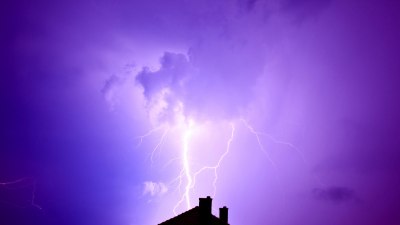
Image by photoangel on Freepik
Static electricity is a common and often underestimated force in our everyday lives. We typically notice it only when we get a surprising shock after touching a metal object or see our hair stand on end during dry weather. However, static electricity is more than just a minor nuisance - it quietly influences many aspects of our environment and technology, sometimes plotting against our comfort and even safety.
At its core, static electricity is the accumulation of electric charge on the surface of objects. This accumulation happens when two different materials come into contact and then separate, causing electrons to transfer from one material to the other. The result is one object becoming positively charged and the other negatively charged. When these objects get close again, a sudden discharge of electricity may occur, producing the familiar zap or spark.
Although this phenomenon seems harmless, the implications of static electricity are far-reaching, affecting everything from simple household interactions to sophisticated electronic systems. The invisible force can disrupt sensitive equipment, cause fires, and damage valuable items without us realizing the cause. Understanding how static electricity operates and learning methods to control it can save us from unexpected and costly problems.
The Science Behind Static Electricity
Static electricity is an imbalance of electric charges within or on the surface of a material. The phenomenon depends largely on the materials involved and environmental conditions like humidity and temperature. When two materials touch, the electrons may jump from one to the other based on each material's electron affinity—the tendency to attract or release electrons.
Materials are categorized by their propensity to gain or lose electrons — conductors allow electrons to flow freely, while insulators hold tightly to their electrons. For instance, rubbing a balloon on wool transfers electrons, charging the balloon negatively and the wool positively. This interaction is called triboelectric charging, a primary source of static electricity.
Dry air enhances static buildup because moisture in the air helps dissipate charges. In dry conditions, such as winter indoors with heating systems running, static shocks are more common. The lack of moisture reduces the air's conductivity, allowing charges to accumulate instead of diffusing away.
Everyday Effects and Annoyances
Static electricity impacts daily routines in subtle but persistent ways. Perhaps the most familiar experience is the small shock after picking up a metal object or shaking hands. This zap, though usually harmless, speaks to static's potential.
Static cling is another typical annoyance, causing clothes to stick together, which complicates dressing and laundry tasks. Plastic wrap clinging to your hand instead of the food container or pesky dust attracting to clothes are other examples.
Beyond personal inconvenience, static electricity affects devices like television screens, computer monitors, and mobile phones. Dust attracted by static can damage screens or cause overheating in electronics. Additionally, static causes data errors in circuit boards and memory storage, sometimes leading to software crashes or unexpected behavior.
Static Electricity in Technology and Industry
Industries face significant challenges due to static electricity. In semiconductor manufacturing, static discharge can destroy sensitive components worth thousands of dollars in an instant. Cleanrooms designed for microchips include strict humidity controls and conductive flooring to minimize static buildup.
Static poses a fire and explosion risk in industries handling flammable gases, liquids, or dust. A single spark from static discharge can ignite volatile mixtures, leading to devastating consequences. For example, in grain silos, cotton mills, and fuel storage facilities, controlling static through grounding and ionization is mandatory for safety.
In printing, packaging, and textile industries, static electricity influences materials' behavior on production lines, causing jams, misalignments, or defective products. Specialized anti-static devices help maintain smooth operation by neutralizing charges on products as they move along conveyors.
Static Electricity and Health
While static electricity generally doesn’t pose direct health hazards in typical quantities, it can indirectly impact health by affecting medical equipment and environments. Hospital rooms and operating theaters require strict static control because static discharges might interfere with sensitive monitoring devices or implantable medical devices like pacemakers.
Static shocks can also startle patients and lead to accidents or increased anxiety in sensitive individuals. Additionally, static-attracted dust includes allergens that can exacerbate respiratory conditions such as asthma and allergies.
Household Measures to Control Static
Fortunately, simple methods help reduce static electricity's impact at home. Increasing indoor humidity with humidifiers allows charges to dissipate faster. Natural fiber clothing, such as cotton or wool, tends to generate less static than synthetic fibers like polyester or nylon.
Using fabric softeners and dryer sheets chemically coats clothing fibers, lowering friction and static buildup. Similarly, anti-static sprays applied to carpets, upholstery, and curtains can reduce electrical charge accumulation.
Grounding yourself by touching metal objects before handling sensitive electronics prevents shock and damage. Also, creating a conductive pathway through your environment using grounding mats or wristbands is effective when working with computers or electronic repair.
Static Control in the Workplace
In environments with heightened static electricity dangers, employers implement strategies for static control. Proper grounding and bonding ensure that all conductive parts share the same electrical potential, eliminating harmful shocks. Conductive flooring and anti-static footwear help safely discharge the accumulated charges from workers.
Ionizers produce negative ions which neutralize positive charges, maintaining balance in static-prone areas. Personnel are also trained to avoid synthetic fabrics and use ESD (electrostatic discharge) protective gear when needed.
Emerging Technologies to Combat Static Electricity
Recent innovations provide new ways to fight static electricity’s disruption. Nanotechnology enables the development of coatings and materials with inherent anti-static properties that repel dust and prevent charge buildup without additional maintenance.
Smart sensors embedded in manufacturing equipment monitor static levels in real-time, triggering automatic mitigation systems like ionization or grounding adjustments to maintain optimal environments. Such advances reduce downtime, improve safety, and protect sensitive electronics.
Researchers also explore the use of static electricity for constructive applications. For instance, electrostatic precipitation is an air purification technology that removes particles from the air by charging them and collecting them on plates. Controlled electrostatic forces can assist in printing and painting by enabling finer precision and less waste.
Static Electricity in Nature
Static electricity isn’t solely a human-made frustration; it plays a role in natural phenomena. The classic example is lightning, a massive static discharge between clouds or from clouds to the ground. The buildup and sudden release of electric charges during thunderstorms are on a much grander scale but stem from the same basic principles.
Even smaller events, like the crackling sound when walking on dry leaves or rubbing certain stones, demonstrate static electricity’s presence in nature. Some insects use static forces to their advantage for activities like pollination or adhesion.
Understanding these natural processes helps scientists develop better models for weather prediction and design lightning protection systems that save lives and infrastructure.
Why Static Electricity Remains a Hidden Adversary
Despite its frequent occurrence, static electricity often goes unnoticed or blamed on other causes because its effects can be subtle and sporadic. Many have never connected static charge buildup to issues like computer crashes, industrial defects, or unexpected fires.
Moreover, because static charges are invisible and intangible, their presence is difficult to detect without specialized equipment. This invisibility means many environments are more affected by static electricity than realized, with ongoing risks to people and technology.
Raising awareness about static electricity, its dangers, and its control measures remains crucial as technology becomes increasingly sensitive and environments more complex.
Practical Tips to Outsmart Static Electricity
To minimize static electricity's impact in your life, consider a few practical steps. Wearing leather-soled shoes instead of rubber helps dissipate static charges. Avoid sliding on carpets and maintain moderate humidity levels in your home or workplace.
Keep electronic devices on grounded surfaces and use anti-static wrist straps if repairing or assembling sensitive electronics. Regular cleaning of surfaces with anti-static cloths reduces dust buildup and prevents accidents.
Being mindful when handling flammable materials and grounding all equipment in hazardous atmospheres can prevent catastrophic static-related incidents.
By adopting these strategies, you can regain control over static electricity’s otherwise quiet influence and protect your comfort, safety, and valuable possessions.
Static Electricity: The Invisible Force That Deserves Your Attention
Static electricity is a silent adversary that impacts various facets of our lives quietly but powerfully. From everyday static shocks and clingy garments to major industrial hazards, its effects are pervasive and potent. Through understanding its nature, recognizing its effects, and implementing control measures, we can diminish its negative consequences and even harness its beneficial applications. Whether at home, work, or in nature, static electricity deserves our cautious respect and proactive management to ensure it serves as a helpful force rather than a disruptive one.