How Cold Air Travels Through Jeans Like a Betrayal
Explore why cold air so easily passes through jeans, leaving you shivering and seeking warmth, despite their sturdy look.
Jeans are a wardrobe staple for many, known for their durability, style, and versatility. From casual outings to semi-formal occasions, they often come to the rescue when you need dependable trousers. But anyone who’s worn jeans on a cold day can attest to an uncomfortable truth: jeans betray you to the cold. That chilly, penetrating breeze seems to find every nook and cranny, leaving your legs feeling exposed despite the seemingly thick denim. Why does this happen? How does cold air travel so effectively through this fabric that appears rugged and tough? Understanding this phenomenon requires a journey into the properties of denim, the structure of jeans, and the dynamics of air movement through textiles.
The Composition and Weave of Denim
At the heart of this chilly experience is denim—technically a cotton twill fabric woven with a diagonal ribbing. This diagonal weave gives denim its characteristic look and robustness. The yarns used in denim are typically thick and sturdy, making the fabric itself look like it should be a good insulator against cold. However, cotton fibers do not have inherent insulating properties compared to wool or synthetic fabrics designed for thermal retention.
Cotton fibers absorb moisture rather than repel it. When you wear jeans in cold or damp conditions, any sweat or external moisture can seep into the fibers, making them damp and reducing their ability to insulate. Wet cotton loses heat faster than even bare skin, which exacerbates the cold sensation. Even beyond moisture, cotton’s fiber structure doesn’t trap much air, which is a key feature of insulating materials. Fabrics that retain heat well tend to create tiny pockets of air, which slow heat transfer, but denim's weave is dense without being particularly good at retaining insulating air pockets.
Jeans Are Not Tailored for Thermal Protection
Most jeans are designed with fashion and durability in mind, not warmth. The fit and cut of denim jeans are often snug, which reduces the air layer between the fabric and your skin. This air layer, when intact, acts as insulation because still air slows down heat loss. With tight jeans, the fabric presses closer to the skin, pushing out insulating air and making the cold feel more immediate.
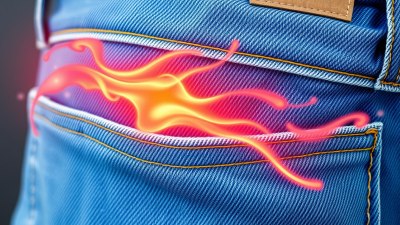
Additionally, the seams, pockets, and folds in jeans create pathways for air to enter and exit. Although denim fabric itself might be relatively wind-resistant, these structural openings allow cold air to penetrate. This can create a draftsome feeling as cold air flows through these gaps, increasing heat loss through convection.
The absence of lining or thermal layers exacerbates this issue. Unlike winter pants or insulated trousers that include fleece or other heat-retaining materials inside, jeans provide only the single layer of denim fabric. In chilly weather, this means there’s no barrier to block the movement of cold air or contain heat effectively near your skin.
The Role of Wind and Airflow
Cold air traveling through jeans is fundamentally a case of wind-chill exaggerating heat loss by forced convection. When wind passes over bare skin or permeable clothing, it strips away the warm air layer next to your body, leaving cooler air in direct contact with the skin and speeding heat loss.
Though denim can be thicker than many fabrics, it is still permeable to airflow, especially when stretched or worn over time. Micro-openings in the weave, or small tears from wear, enable cold air penetration. Even new jeans that feel windproof at first will allow cold air in if subjected to strong gusts or consistent wind exposure.
Moreover, the way jeans fit can create little pockets that allow cold air to funnel in, especially if you are moving. Walking or cycling causes the fabric to stretch and shift, momentarily creating gaps that invite wind. This makes jeans far less protective than windproof or waterproof garments, which are made with special membrane layers designed explicitly to block drafts.
Moisture and Its Chilling Effects
Wetness drastically increases the sensation of cold air passing through jeans. As mentioned, cotton readily absorbs moisture from rain, snow, or perspiration. When cotton fibers are wet, their insulating capacity plummets. Wet fabric conducts heat away from the body much faster than dry fabric, intensifying the feeling of cold air intrusion.
This effect explains why even a light drizzle or moist environment can make jeans unbearably cold over time. The denim holds the moisture close to your skin, making each gust of wind feel like a betrayal. Plus, wet jeans take a long time to dry due to the density and thickness of cotton fibers. This prolonged dampness extends discomfort, especially in winter or windy weather.
Comparing Jeans to Thermal Alternatives
To appreciate why jeans fail against cold air, it’s helpful to examine what makes better cold-weather pants. Fabrics like fleece, wool, or specialized synthetics (e.g., Gore-Tex) differ significantly from denim in several thermoregulatory aspects:
- Fiber Structure: Wool fibers have natural crimp and scales that trap air effectively, creating excellent insulation. Synthetics are engineered to be lightweight yet trap heat efficiently.
- Moisture Resistance: Materials like fleece repel or wick water away from the body, helping keep the wearer dry and warm.
- Windproof Features: Many cold-weather pants include membranes or coatings that block wind, preventing cold air from slicing through the fabric to your skin.
- Layering: Thermal pants might have multiple layers that enhance insulation and moisture management.
By contrast, jeans consist of one layer of dense cotton that neither traps warm air effectively nor repels moisture or wind, making them an unintentional conduit for cold air. This explains why people often wear long underwear or thermal leggings beneath jeans in colder climates, layering to mitigate the deficiencies of denim.
The Effect of Wear and Tear on Jeans’ Insulation
Jeans do not retain their protective properties indefinitely. Wear and tear weaken fabric integrity, enlarging micro-openings and thinning threads. Older jeans often become stiffer and thinner due to washing and daily abrasion, which reduces denim’s ability to shield you from cold air.
Additionally, washing jeans frequently removes any residual coatings or finishes that might have provided slight wind resistance. Raw denim, which is untreated, can offer a denser protective layer initially, but even it degrades over time. So a broken-in pair of jeans — beloved for its comfort — is often less effective against cold air than a new, stiff pair.
How to Minimize Cold Air Intrusion in Jeans
For those unwilling to give up jeans during cold months, several strategies can improve warmth and reduce the sensation of cold air infiltration:
- Layer Thermal Leggings or Long Underwear: Wearing an insulating base layer underneath jeans traps warm air next to your skin and blocks cold drafts.
- Choose Heavier Denim: Thicker, heavyweight denim offers more material for blocking wind, though not a perfect solution.
- Opt for Jeans with a Lining: Some jeans come with flannel or fleece linings intended for winter wear; these are far better at resisting cold air.
- Wear Windproof Outer Layers: Combining jeans with windproof outer pants or over-trousers can greatly reduce cold air passage.
- Avoid Tight Fit: Jeans that are too snug push fabric close to skin, reducing insulating air layers. Slightly looser jeans trap more warm air.
The Psychological Aspect: Why We Feel Betrayed
Calling the cold air passing through jeans a 'betrayal' captures the emotional letdown people feel when expecting comfort but getting discomfort instead. Jeans symbolize toughness and reliability, yet when cold wind sneaks through, the sensation feels like a personal affront from a trusted ally. This emotional response heightens awareness of the chill and increases the urge to seek warmth.
Moreover, the visual sturdiness of denim creates a false sense of security. When that security is breached by invading cold air, it contrasts sharply with our expectations. This dissonance adds to the feeling of betrayal, transforming an ordinary chill into a profound discomfort.
Understanding these factors helps manage those feelings by setting realistic expectations for denim’s capabilities and preparing accordingly to face cold weather.
The Cultural Influence of Denim and Climate Misalignment
Denim jeans originated in the 19th century as rugged workwear, primarily for miners and laborers in environments where durability prevailed over warmth. Their popularity spread worldwide, becoming a fashion icon worn in diverse climates. This widespread use sometimes places denim outside its comfort zone, particularly in colder regions.
The fashion industry's push toward slim fits and aesthetic priorities sometimes overlooks functional heat retention. This cultural expectation to wear jeans year-round, regardless of warmth, perpetuates the experience of cold air penetration and the consequent discomfort. Fashion enthusiasts and designers increasingly address this by introducing winter denim styles with insulating features, responding to the demand for both style and warmth.
Scientific Experiments on Heat Transfer in Denim
Laboratory experiments measuring heat transfer through denim confirm what wearers feel. Studies show that dry denim offers moderate resistance to heat loss but cannot compete with thermal fabrics. When exposed to wind in controlled settings, denim allows significant convective heat loss due to micro-porosity and ease of airflow.
Moistening denim drastically reduces its insulation capacity, accelerating heat loss. This explains why jeans can feel so much colder in wet, windy weather than in dry, calm conditions. These data support practical advice for layering and protection when dressing for cold environments.
Innovations to Improve Thermal Performance of Denim
Textile manufacturers have responded with technological innovations to improve denim’s thermal qualities. Some jeans now incorporate:
- Thermal linings: Fleece or brushed cotton liners that retain heat.
- Water-repellent coatings: Treatments that reduce moisture absorption and maintain warmth.
- Windproof membranes: Thin layers laminated between denim fabrics that block airflow.
- Stretch jeans designs: Incorporating synthetic fibers for flexibility alongside insulation.
Such advancements make denim more suitable for colder months, reducing the sensation of cold air invasion and increasing wearer comfort.
Can Jeans Ever Truly Block Cold Air?
Given the natural properties of cotton, the structure of denim, and the typical design of jeans, complete blockage of cold air is unrealistic without additional features or layers. Denim’s breathability, which is advantageous for comfort in moderate temperatures, becomes a liability in freezing weather.
Thus, jeans alone are unlikely to replace garments explicitly engineered for cold, wind, and moisture protection. However, combined with proper layering and the newer innovations in denim design, their performance can improve notably.
Recognizing this tradeoff allows consumers to make informed choices, appreciating jeans for their style and durability while mitigating their inherent shortcomings during colder seasons.
Why We Keep Wearing Jeans Despite the Cold
Despite their shortcomings in cold weather, jeans remain a favorite for numerous reasons: their appearance, cultural status, comfort, availability, and affordability. For many, the benefits outweigh the discomfort, especially when weather conditions are mild or when jeans are layered appropriately.
The identity and emotional connection built around denim reinforce loyalty, making people willing to tolerate some chillability. This relationship between comfort and practicality plays out daily, shaping fashion choices even in challenging climates.
In the end, jeans’ reputation as a dependable, stylish garment endures, with cold air experiences serving as a reminder to prepare and layer rather than a reason to abandon this iconic fabric.